
Pest help · Georgetown, TX
Flea and Tick Control in Georgetown, TX
If the dog will not stop scratching and you keep finding small bites around your ankles, fleas have probably moved past the pet and into the carpet. If you walk the river trail, back onto a greenbelt or live where deer wander through at dusk, ticks are part of life. Georgetown’s edges are still ranch land, creek bottom and brush, and that is where both pests come from. This page covers flea and tick control Georgetown TX homes and yards need.
In short
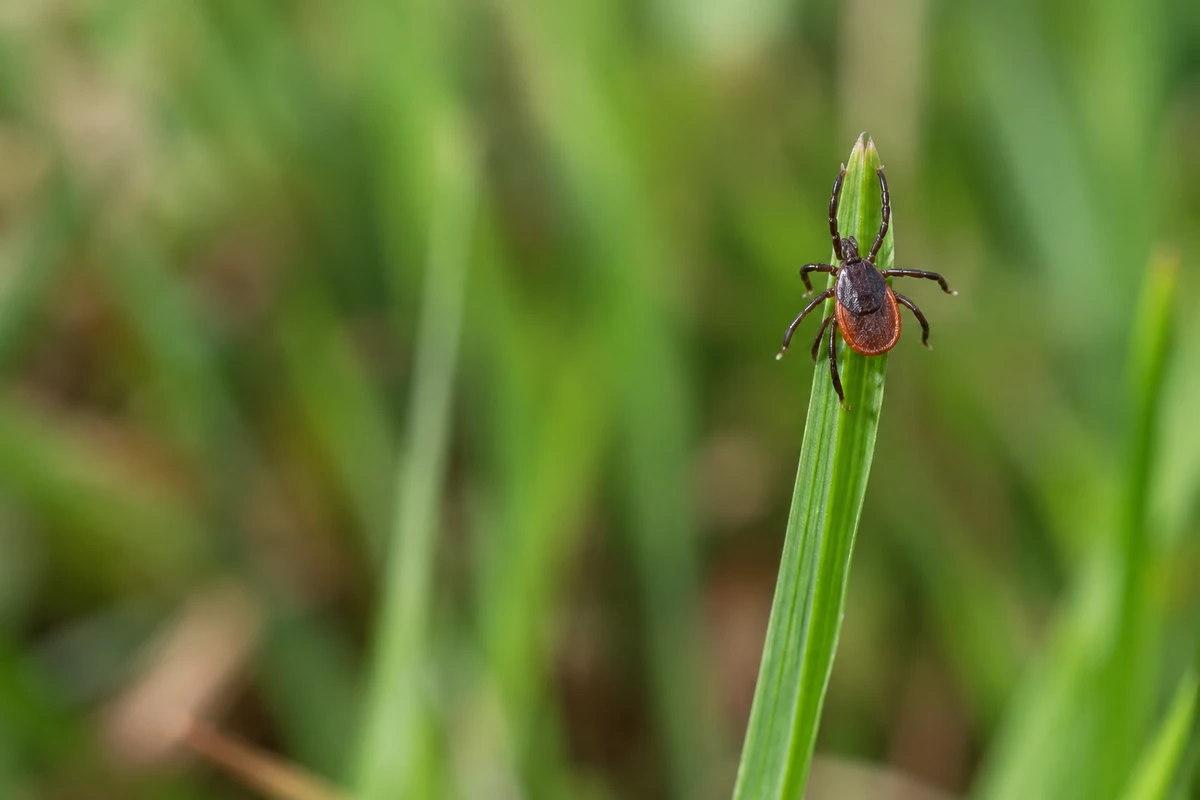
Fleas live mostly off the pet, as eggs, larvae and pupae in carpet, bedding and shaded yard spots, so the home, the yard and the pet all need attention at the same time. Ticks wait in tall grass and brush along trails, fence lines and wooded edges. Yard treatment, habitat changes and your vet’s advice for your pets work together.
Fleas inside the home
The adult fleas you see on a pet are only a small part of the population. Most of it lives in the environment: eggs that fall off the animal, larvae hiding deep in carpet fibers and under furniture, and pupae in cocoons that can wait weeks before hatching. That is why fleas seem to come back right after you thought they were gone.
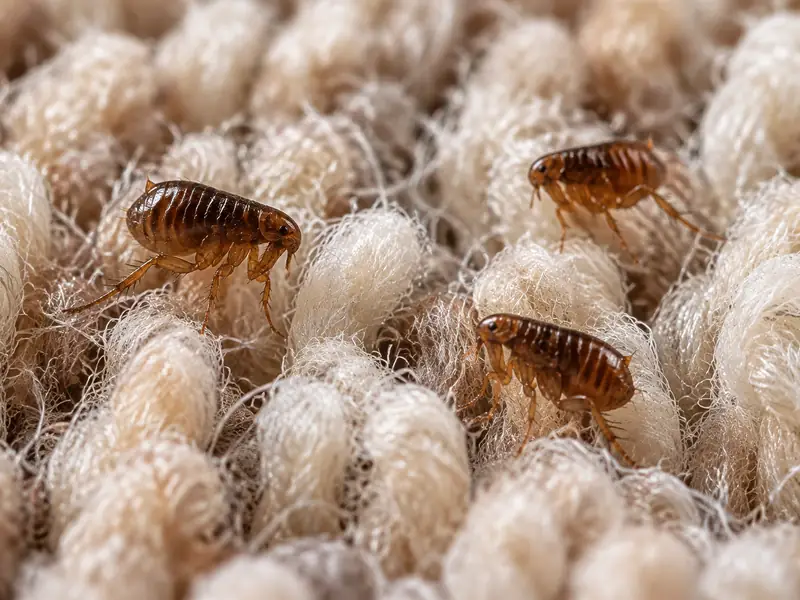
Signs of fleas indoors:
- Pets scratching, biting at their skin or losing fur along the back and tail
- Small, itchy bites on ankles and lower legs
- Tiny dark specks, often called flea dirt, on pet bedding that turn reddish when wet
- Fleas jumping onto white socks when you walk across the carpet
Ticks in Georgetown yards
Texas has several tick species that bite people and pets, including the lone star tick, the American dog tick and the brown dog tick. Ticks do not jump or fly. They wait at the tips of grass and brush, a behavior called questing, and climb onto whatever brushes past.
Where Georgetown residents pick them up:
- Along the river trails and greenbelts following the North and South Forks
- Brushy edges of larger parks like Garey Park, about 525 acres along the South San Gabriel
- Fence lines, tall grass and wooded edges that back onto undeveloped land
- Yards where deer travel through, especially on the city’s ranch-land edges
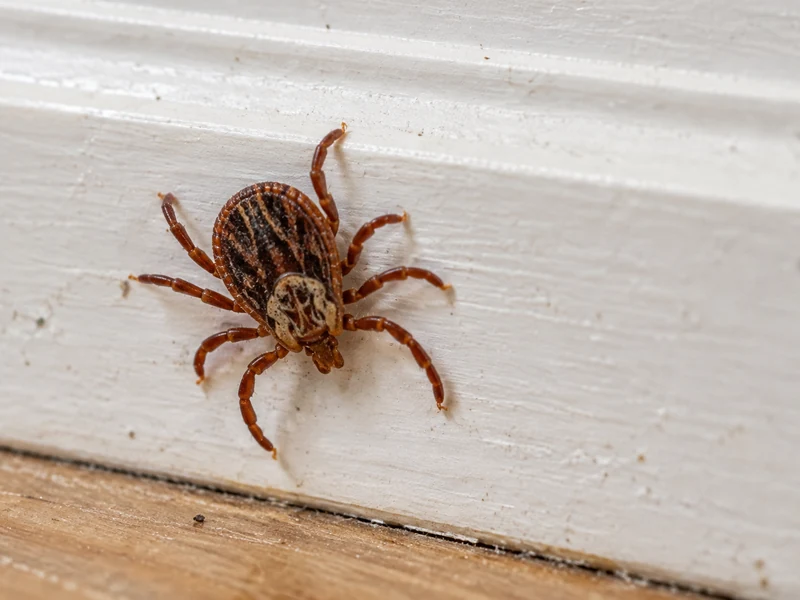
Brown dog ticks indoors
The brown dog tick is unusual: it can complete its life cycle indoors. Homes with dogs sometimes find ticks climbing walls, curtains and baseboards. This one needs indoor treatment and close work with your vet.
Ticks in Texas can carry diseases such as Rocky Mountain spotted fever and ehrlichiosis. The Texas Department of State Health Services tracks tick-borne illness. Check yourself, your children and your pets after time outdoors, and see a doctor for fever or a rash after a tick bite.

Flea and tick control Georgetown TX yards need
Find the hot spots
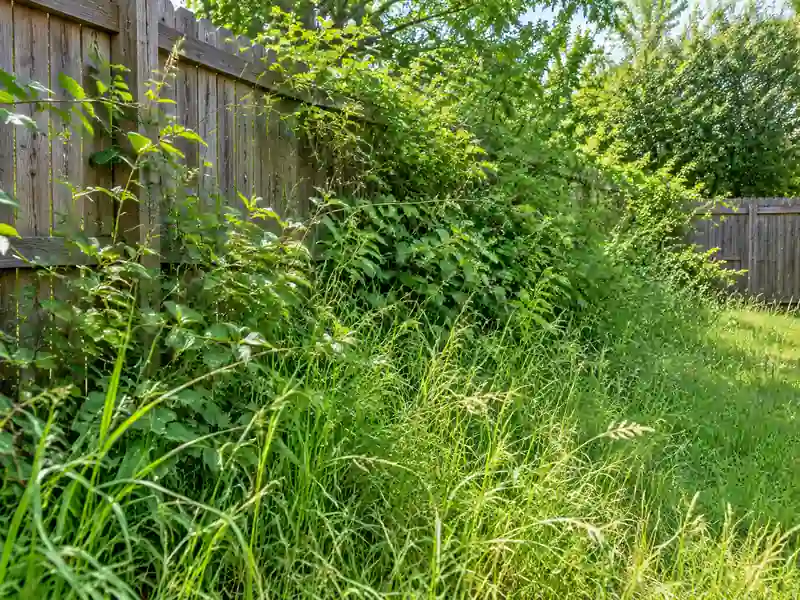
Fleas and ticks concentrate in shade and moisture: under decks and shrubs, along fences, in leaf litter and where pets rest outdoors. Sunny open lawn holds far fewer.
Treat targeted areas
Applying products to those shaded resting areas and along trail and fence edges, rather than blanketing the whole yard. Often repeated a few weeks later to catch newly hatched fleas.
Change the habitat
Keeping grass mowed, clearing brush and leaf litter, and creating a dry border of mulch or gravel between lawn and wooded edges.
Why home, yard and pet all need treating
Treating only one of the three is the most common reason flea problems drag on for months. Fleas from an untreated yard reinfest a treated pet, and eggs in untreated carpet hatch onto a treated yard’s dog. Coordinate it:
- Ask your veterinarian about flea and tick prevention for every pet in the house, since products differ for dogs and cats
- Have the home treated, with carpets, rugs and furniture vacuumed first
- Treat the yard’s shaded areas at the same time
- Keep vacuuming every day or two for several weeks, because pupae keep hatching
This page does not give pet medication advice. Your vet is the right person for that.
The flea life cycle, and why timing matters
Flea treatment is mostly about timing. Each stage responds differently, which is why one treatment rarely finishes the job.
| Stage | Where it lives | How long | Weak point |
|---|---|---|---|
| Egg | Falls off the pet into carpet, bedding, shaded soil | A few days | Vacuuming and washing remove many |
| Larva | Deep in carpet fibers, under furniture, in shade outdoors | About 1–3 weeks | Growth regulators stop development |
| Pupa | In a sticky cocoon, protected | Days to several weeks | Hard to kill; vibration and warmth trigger hatching, so keep vacuuming |
| Adult | On the pet, feeding | Weeks | Pet treatment through your vet |
In practice, expect to see a few fleas for two to four weeks after treatment as pupae hatch. That is normal. Daily vacuuming during that window speeds things up, because the vibration brings adults out of their cocoons sooner.
A tick check routine after Georgetown’s trails
The river trails, Garey Park and greenbelts are some of the best parts of living here. A two-minute routine after each outing lowers the risk from ticks:
- Stay in the middle of trails and avoid brushing through tall grass and brush
- Wear light-colored long pants tucked into socks on brushy trails, and use an EPA-registered repellent as directed
- When you get home, check behind the knees, the waistband, under the arms, around the ears and along the hairline
- Check children and pets the same way, including between a dog’s toes and under its collar
- Put outdoor clothes in the dryer on high heat for a few minutes
- If you find an attached tick, remove it with fine-tipped tweezers by pulling steadily close to the skin, then clean the area and note the date
See a doctor for fever, rash or flu-like symptoms in the weeks after a tick bite.
Homes on the ranch-land edges
Many newer Georgetown subdivisions back onto pasture, brush or undeveloped land, and deer, feral hogs and other wildlife move along those edges at night. Animals carry ticks and fleas right up to back fences. Homes in those spots benefit most from a mowed buffer along the fence line, a gravel or mulch strip between lawn and brush, and treatment focused on the shaded edges of the yard.
Calls connect you with an independent local exterminator.
Flea and tick prevention checklist
- Vacuum carpets, rugs, furniture and pet beds often, and empty the vacuum outdoors
- Wash pet bedding and throw blankets weekly in hot water
- Keep the lawn mowed and trim grass along fences and beds
- Clear brush, leaf litter and woodpiles near the house
- Discourage wildlife and stray animals that carry fleas into the yard; seal crawl space openings
- After walking the trails, check clothing, skin and pets, and put clothes in a hot dryer
- Stay on your vet’s prevention schedule for all pets year-round
Flea and tick FAQs for Georgetown residents
Do I treat my pet, my home or both?
Both, plus the yard if pets spend time outside. Most of the flea population lives in the environment, not on the animal. Ask your vet about the pet and have the home and yard treated at the same time.
Is yard treatment safe for pets?
Products are labeled with re-entry and drying times. Keep pets indoors during treatment and off treated areas until they are dry, and follow the technician’s directions.
Why do fleas come back after treatment?
Flea pupae are protected inside cocoons and can hatch for weeks after treatment. Keep vacuuming, keep pets on prevention and expect a follow-up treatment. Untreated pets or yards also bring fleas back.
Can ticks live inside the house?
Most ticks cannot survive long indoors, but the brown dog tick can live and breed inside homes with dogs. It needs indoor treatment along with your vet’s help.
What diseases do Texas ticks carry?
Ticks in Texas can transmit illnesses including Rocky Mountain spotted fever and ehrlichiosis. If you develop fever, rash or flu-like symptoms after a tick bite, see a doctor and mention the bite.
We are moving into a house where the last owners had pets. Should we treat before moving in?
It is the easiest time to do it. Flea pupae can sit dormant in carpet for weeks in an empty house and hatch the moment people and pets start walking around. Vacuum every room thoroughly before the furniture arrives, then have the floors treated while the rooms are empty, so nothing has to be moved twice.
Related pests and reading
Mosquito control
The other pest that comes with river-trail living.
Bed bug exterminator
If the bites are on your arms and shoulders after sleeping.
Pests in Wolf Ranch
South Fork frontage, trails and the pests that come with them.
Sources: Texas Department of State Health Services · Texas A&M AgriLife Extension · Back to the Georgetown exterminator homepage