
Pest help · Georgetown, TX
Bed Bug Exterminator in Georgetown, TX
Bed bugs have nothing to do with how clean a home is. They ride in on suitcases after a trip, in a used couch, on a moving truck or through the shared walls of an apartment building, and Georgetown’s mix of new arrivals, college rentals and travel makes them a steady problem. They are also one of the pests where do-it-yourself attempts most often make things worse. Here is what to look for and how a bed bug exterminator Georgetown TX residents hire should approach it.
In short
Confirm bed bugs by finding the insects, their shed skins or small dark spots along mattress seams, box springs and headboards. Professional treatment usually means heat, targeted products or a combination, with at least one follow-up inspection. Preparation matters: laundering bedding and clothes on high heat and reducing clutter make treatment work.
Signs of bed bugs
Bites alone are not proof. Many insects bite, and some people do not react to bed bug bites at all. Look for the bugs and what they leave behind:
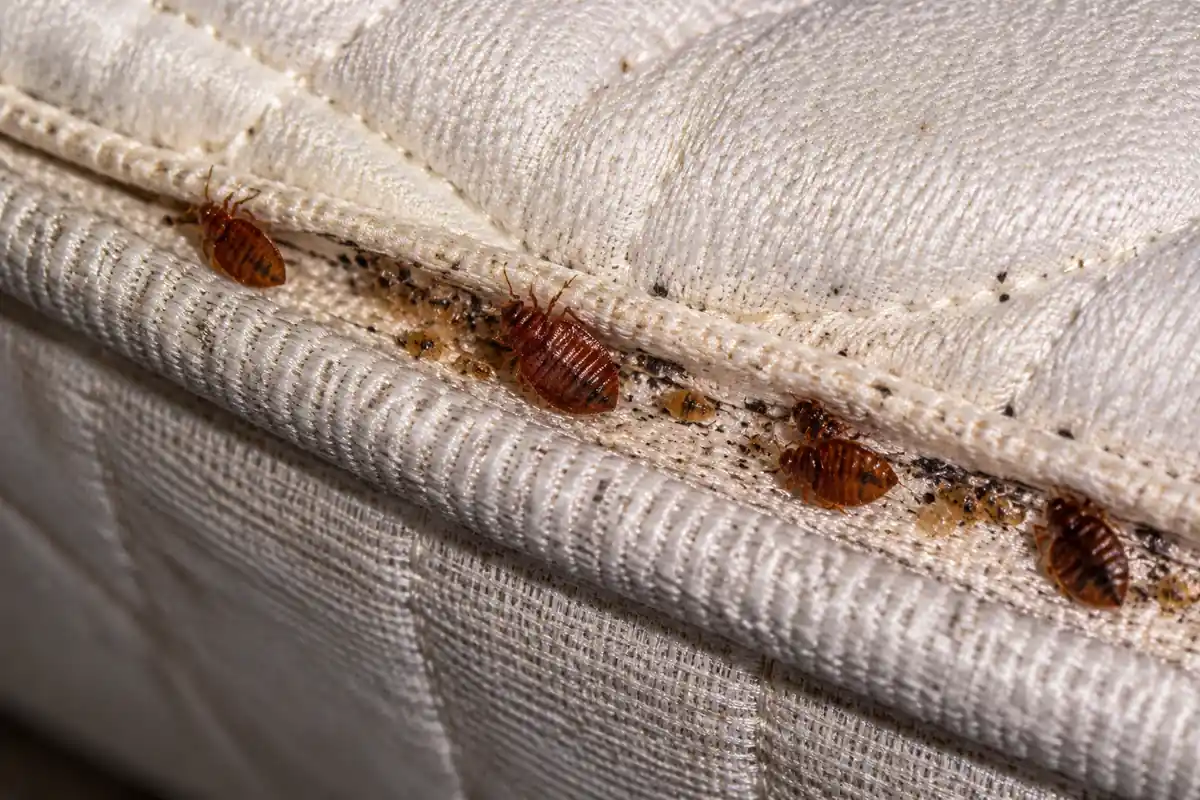
- Live bugs: flat, oval, reddish-brown, about the size of an apple seed; nymphs are smaller and paler
- Dark spots: small black or rust-colored dots on sheets, mattress seams and the box spring, which are digested blood
- Shed skins: light brown, empty shells left as bugs grow
- Eggs: tiny white specks, about the size of a pinhead, in seams and crevices
- Bites in lines or clusters on arms, shoulders and legs that appear after sleeping
- A sweet, musty odor in heavy infestations
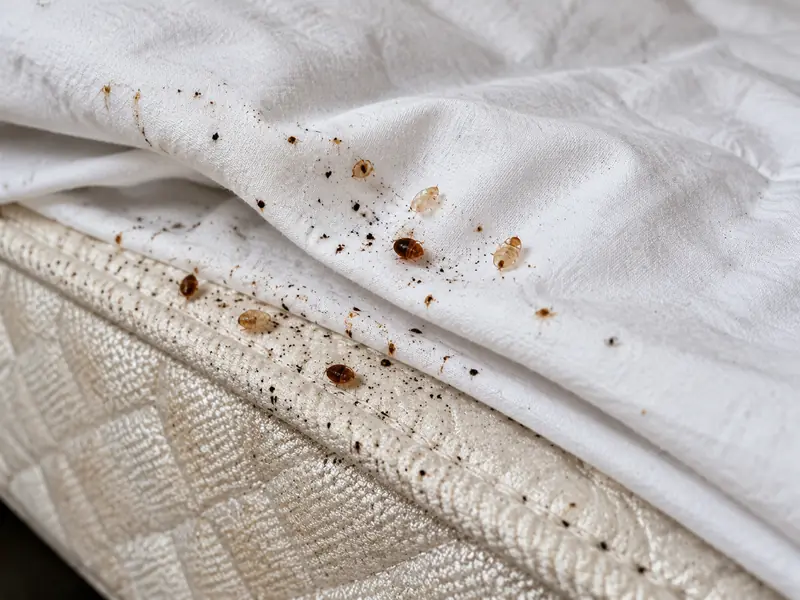
Check the mattress piping, the corners of the box spring, behind the headboard, the seams of upholstered chairs and couches, and the edges of carpet near the bed.
Where bed bugs come from in Georgetown
- Travel. Hotels, vacation rentals, buses and planes. Bugs hide in luggage seams and clothing.
- Secondhand furniture. Mattresses, couches and upholstered chairs picked up from a curb or bought used.
- Apartments and rentals. Bugs travel along pipes and wiring between units. Rentals near Southwestern University and downtown see regular turnover.
- Visitors and moving. Guests’ bags, moving boxes and shared moving trucks.
Bed bug inspection: is it really bed bugs?
A careful inspection rules out look-alikes before anyone treats. The one that confuses people most is the bat bug, which looks almost identical but has longer hairs on its body and feeds on bats roosting in attics or walls. Bat bug problems are tied to the bat colony, so they are handled differently from bed bugs and are not covered through this site.
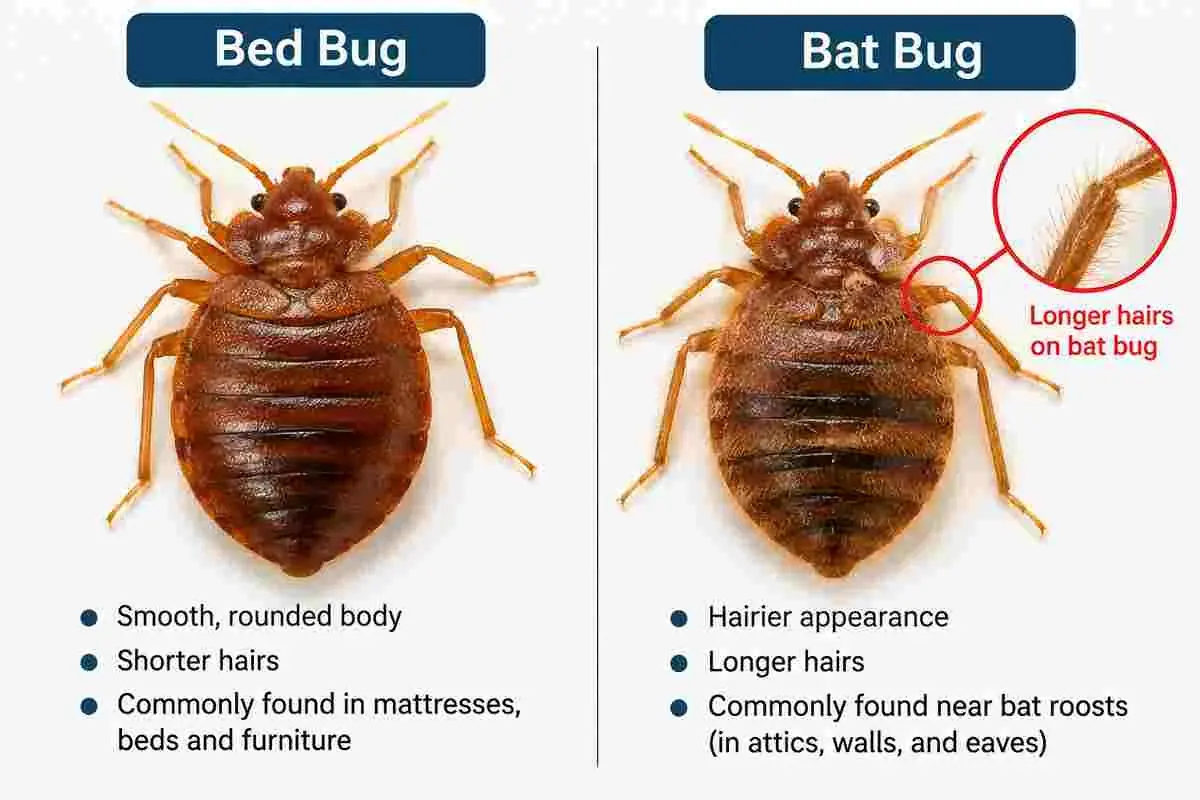
Other look-alikes include carpet beetle larvae, young cockroaches and spider beetles. A technician should show you what they found and where.
Treatment options a bed bug exterminator Georgetown TX residents hire uses
Heat treatment
Rooms are heated to temperatures lethal to bed bugs and their eggs, commonly around 120°F or more, held long enough to reach inside furniture and walls. It can clear a room in a day, but heat-sensitive items have to come out first.
Targeted products
Products applied to seams, cracks, furniture joints, baseboards and outlets, often with dusts in wall voids. Usually takes two or more visits a couple of weeks apart to catch bugs that hatch from eggs.
Combined approach
Heat in the worst rooms with targeted products in surrounding areas, plus mattress encasements and monitors under bed legs. Common in apartments and heavy infestations.
Methods vary from company to company, and heat is a common approach, not the only good one. Ask which method is recommended, why, how many visits are included and what happens if bugs are found afterward.
How to prepare for bed bug treatment
Preparation is the part homeowners control, and it makes a big difference.
- Wash bedding, curtains and clothes from affected rooms, then dry them on high heat for at least 30 minutes
- Bag clean items in sealed plastic bags and keep them sealed until treatment is done
- Reduce clutter around beds and on the floor so the technician can reach seams and baseboards
- Do not move furniture or belongings to other rooms, which spreads bugs
- Vacuum mattress seams, carpet edges and furniture, then seal and discard the vacuum bag outside
- Follow the specific prep list for heat treatment, which usually includes removing candles, medicines, aerosols and electronics that are heat sensitive
The exterminator prep checklist on our blog covers the general before-and-after steps.
A room-by-room bed bug inspection
Use a bright flashlight and a credit card or putty knife to look into seams. Work in this order:
- Bed: mattress seams and piping, the label area, tufts and folds; the box spring corners and the fabric underneath; the bed frame joints and screw holes
- Headboard: the back side and where it attaches to the wall or frame
- Nightstands: drawer joints and the underside
- Couch and chairs: seams, under cushions, the zipper areas and the underside of the frame
- Baseboards and outlets: the carpet edge near the bed, behind outlet covers and loose wallpaper
- Luggage and bags: seams and pockets of suitcases, backpacks and purses kept near the bed
Photograph anything you find and keep a sample in a sealed bag or tape. It helps the exterminator confirm the pest.
Bed bugs in apartments: steps for tenants and owners
- Tenants: report suspected bed bugs to the property manager in writing right away, avoid moving furniture between rooms or out to the curb without wrapping it, and follow the prep list exactly
- Owners and managers: inspect the affected unit and the units on each side, above and below; schedule treatment and follow-ups; and keep records of every inspection and treatment
Why foggers and DIY sprays usually fail
Bed bugs hide in seams, cracks and furniture joints that sprays and foggers do not reach. Some populations resist common store-bought products, and repellent sprays can scatter bugs into new rooms and units. Many over-the-counter “bug bombs” are also flammable. Heat and targeted professional treatments work because they reach the hiding places.
Calls connect you with an independent local exterminator.
Prevention after travel
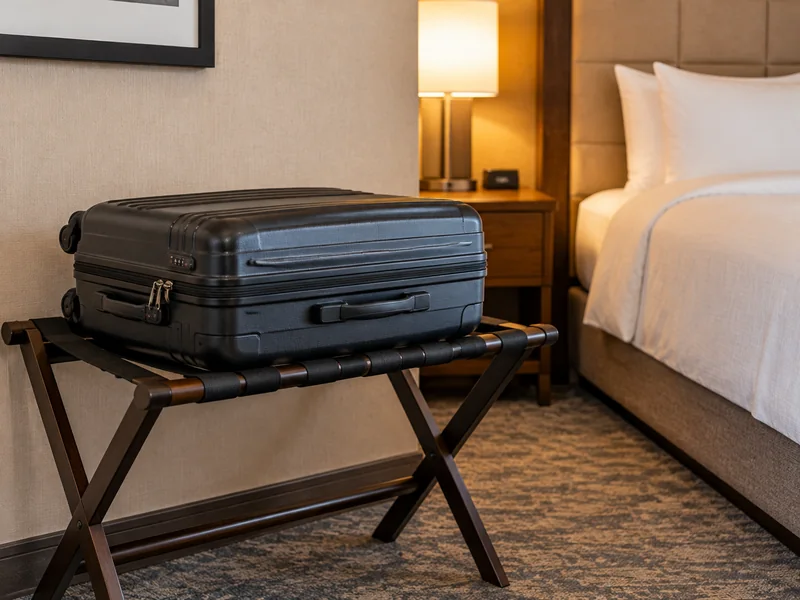
- In hotels, put luggage on the rack or in the bathroom, not on the bed or carpet
- Check the mattress seams and headboard before unpacking
- Unpack straight into the washer when you get home, and dry on high heat
- Vacuum your suitcase and store it away from bedrooms
- Inspect secondhand furniture carefully before bringing it inside, and skip curbside mattresses
- Use zippered encasements on mattresses and box springs
Bed bug FAQs for Georgetown residents
Do bed bugs need fumigation?
Rarely. Heat and targeted treatments handle most home infestations. Whole-structure fumigation is uncommon and generally reserved for unusual situations.
Can I sleep in my bed after bed bug treatment?
Usually yes, once treated surfaces are dry and the technician says it is safe. Keep sleeping in the same bed. Moving to the couch can draw bugs to a new spot.
Can bed bugs be gone for good?
Yes. A thorough treatment with follow-up inspections can eliminate them. The risk is reintroduction from travel, secondhand furniture or a neighboring unit, so keep up the prevention habits.
Do bed bugs spread between apartments?
They can, through wall voids, plumbing and electrical openings, and on people moving between units. In multi-unit buildings, adjacent units are often inspected as well. Tell your property manager right away.
Are bed bug bites dangerous?
Bed bugs are not known to spread disease. Bites can itch badly, and scratching can lead to skin infections. The stress and lost sleep are real, too. See a doctor for bites that look infected or for a strong allergic reaction.
Related pests and reading
Prepare for an exterminator
What to do before, during and after the visit.
Cockroach exterminator
Another pest that spreads through shared walls in rentals.
Flea and tick control
If the bites are on ankles and the pets are scratching.
Sources: U.S. EPA, bed bugs · Texas A&M AgriLife Extension · Back to the Georgetown exterminator homepage