
Pest help · Georgetown, TX
Termite Inspection in Georgetown, TX
Georgetown’s housing market moves fast, and in the middle of option periods, appraisals and closing dates, the termite inspection is easy to treat as a box to check. It is worth more attention than that. Many Georgetown homes are on termite-friendly clay, many others are historic wood houses, and a lot of resale homes from the 1980s and 1990s have been treated at least once before. A termite inspection Georgetown TX buyers order tells you which of those stories you are buying into.
In short
In Texas, a termite inspection for a home sale is documented on the official Wood Destroying Insect Report, regulated by the Texas Department of Agriculture’s Structural Pest Control Service. It records visible evidence of termites and other wood-destroying insects, past treatment, conditions that invite them and what is recommended. Lenders, especially for government-backed loans, often require one.
Inspections for home purchases: the Texas WDI report
When you buy a home in Texas, the termite inspection usually ends with a Texas Official Wood Destroying Insect Report, often called the WDI report. It is a standard state form, so reports from different companies cover the same things. The structural pest control business that performs it is regulated by the Texas Department of Agriculture.

The report notes:
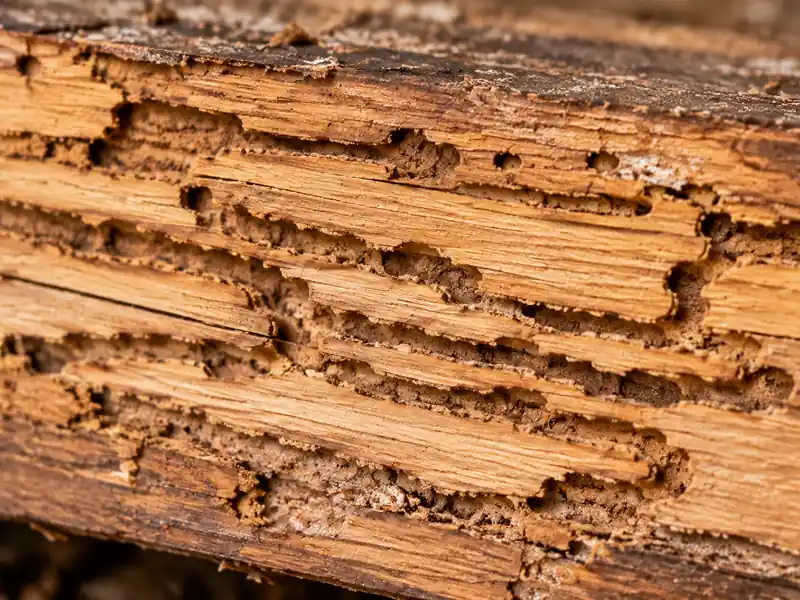
- Whether visible evidence of wood-destroying insects was found, and where
- Whether that evidence appears active or from a past infestation
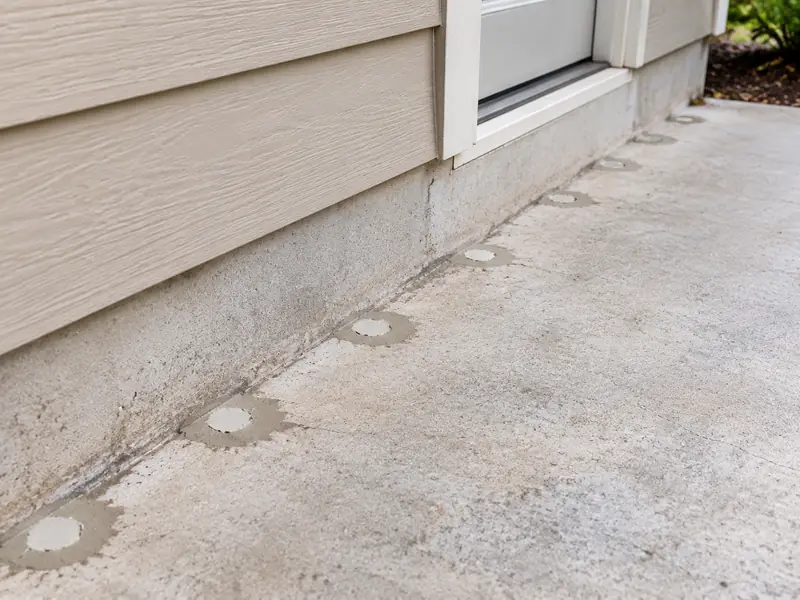
- Signs of previous treatment, such as drill holes or bait stations
- Conducive conditions, like wood touching soil, moisture problems or mulch over the slab edge
- Areas that could not be inspected, such as finished walls, stored items or inaccessible crawl spaces
- Whether treatment is recommended
The inspector reports what is visible and accessible on the day. Nobody can see inside finished walls, so the report is a careful snapshot, not a promise about the future.
WDI, WDO and WDIR explained
These letters cause a lot of confusion, but they describe the same idea:
| Term | Stands for | Where you will hear it |
|---|---|---|
| WDI | Wood destroying insect | The Texas form name; the common term here |
| WDIR | Wood destroying insect report | Lenders and agents referring to the document |
| WDO | Wood destroying organism | Used in some other states; also includes wood decay fungi |
In Georgetown, the insects covered are mainly subterranean termites, plus drywood termites, carpenter ants and certain wood-boring beetles.
What a termite inspection Georgetown TX buyers order checks
- The foundation and slab edge for mud tubes, cracks and soil or mulch above the slab
- Exterior wood: siding, trim, door and window frames, porches, decks and fences touching the house
- Garages, where slab joints and stored items hide activity
- Interior baseboards, door frames, windows and areas around plumbing
- Attics, for termite activity in roof framing and signs of moisture
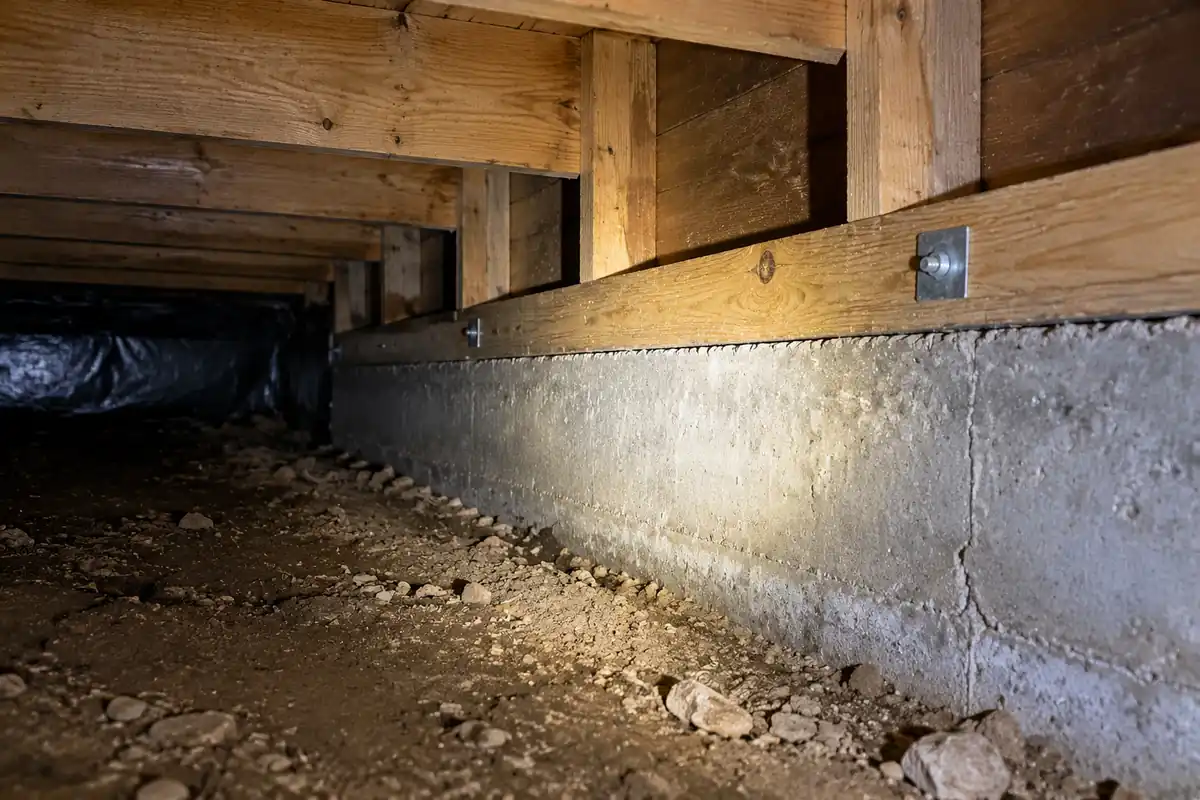
- Crawl spaces in pier-and-beam homes: sills, joists, piers and vent screens
- Moisture sources such as leaks, poor drainage and AC condensate lines
Home inspection vs. termite inspection
A general home inspection and a termite inspection are separate services. A home inspector may point out wood rot or suspected termite damage, but the WDI report is prepared by a structural pest control business. Most buyers schedule both during the option period so there is time to negotiate on what they find.
Annual inspections
Termite inspections are not just for sales. Yearly inspections catch new activity early, before repairs get expensive, and are often part of termite protection plans. They make the most sense for:
- Older homes in Berry Creek and the historic district downtown
- Homes on the east side’s clay soils
- Homes whose builder pre-treatment has expired or whose last treatment was years ago
- Pier-and-beam homes with crawl spaces
Buying a house with termites
Finding termites does not mean walking away. It means asking good questions:
- Is the activity current or old? Old damage with proof of treatment is very different from live termites today.
- Has the home been treated, by whom, and is there a transferable warranty or service agreement?
- How much damage is there? A general contractor or structural engineer may need to look at framing.
- Who will pay for treatment and repairs? This is often negotiated during the option period.
Your real estate agent can explain how the report fits into your contract. For treatment options, see termite control in Georgetown.
Reading your WDI report: what each finding means
The Texas WDI form uses checkboxes and short notes. Here is how buyers usually interpret the common findings:
| What the report says | What it usually means | Typical next step |
|---|---|---|
| No visible evidence observed | Nothing found in accessible areas on that day | Keep yearly inspections; ask about any inaccessible areas listed |
| Evidence of previous infestation | Old damage or tubes, often with signs of treatment | Ask the seller for treatment records and any transferable warranty |
| Active infestation | Live termites or fresh activity | Get a treatment proposal and have damage assessed before the option period ends |
| Evidence of previous treatment | Drill holes, bait stations or records | Ask who treated, when, and whether coverage continues |
| Conducive conditions noted | Wood-to-soil contact, moisture, mulch above the slab | Fix the conditions; they matter even with no termites found |
| Areas not inspected | Blocked by stored items, finished surfaces or no access | Ask whether a follow-up after the sellers move out is possible |
Fitting the inspection into a Georgetown option period
Texas residential contracts commonly include an option period, often a week to ten days, when buyers schedule inspections and negotiate repairs. Georgetown’s market can move quickly, so plan the termite inspection early:
- Day 1–2: schedule both the general home inspection and the WDI inspection
- Day 3–5: receive reports; if termites or damage are found, request a treatment proposal
- Day 5–7: negotiate with the seller on treatment, repairs or price
- Before closing: collect treatment receipts and warranty paperwork
Pre-listing inspections for sellers
Sellers in older Georgetown neighborhoods sometimes order a termite inspection before listing. It gives time to treat and repair on your own schedule, rather than under the pressure of a buyer’s option period, and lets you hand buyers a clean report or documented treatment up front. If you have had treatment in the past, gather those records now; they answer a buyer’s first question.
Calls connect you with an independent local exterminator.
Termite inspection FAQs
Do lenders require a termite inspection in Texas?
Many do, especially for FHA, VA and some other government-backed loans. Conventional lenders vary. Ask your lender and agent early, so the inspection fits in your option period.
Who pays for the termite inspection?
Usually the buyer orders and pays for it, though this can be negotiated. Any treatment that is needed is also a matter for negotiation between buyer and seller.
What are the drill holes along my foundation?
Rows of small patched holes along the slab, often about a foot apart, usually show that the home was treated for termites with a liquid treatment at some point. Ask the seller for treatment records and any warranty.
Do new homes need termite inspections?
Most new Georgetown homes are pre-treated before the slab is poured, but that protection does not last forever and can be disturbed by landscaping or additions. Keep the builder’s paperwork and schedule a first inspection before the pre-treatment period ends.
How long is a WDI report valid?
There is no single answer. Lenders set their own rules on how recent the report must be, so check with yours before scheduling.
How should the house be prepared before the inspector arrives?
Make every area the inspector needs to see reachable. Pull stored boxes a foot or two away from garage walls, clear the cabinet floors under kitchen and bathroom sinks, unlock the attic hatch and any side gates, and move potted plants or mulch piles off the slab edge where you can. On a listed home, the seller or listing agent should arrange access ahead of time so the visit is not cut short.
Can I be there during the inspection?
Yes, and buyers usually get more out of the report when they are. Walk the exterior with the inspector, ask to see any mud tubes or damaged wood in person, and take your own photos. Questions are easier to settle on site than over email after the option period clock has started.
Related pests and reading
Termite control
Treatment options if the report finds active termites.
Pests in Historic Downtown
What to watch for when buying a historic home.
Flying ants vs. termites
What those spring swarmers mean.
Sources: Texas Department of Agriculture, structural pest control · AgriLife Today, Texans need to keep an eye out for termites · Back to the Georgetown exterminator homepage