
Pest help · Georgetown, TX
Rodent Exterminator in Georgetown, TX
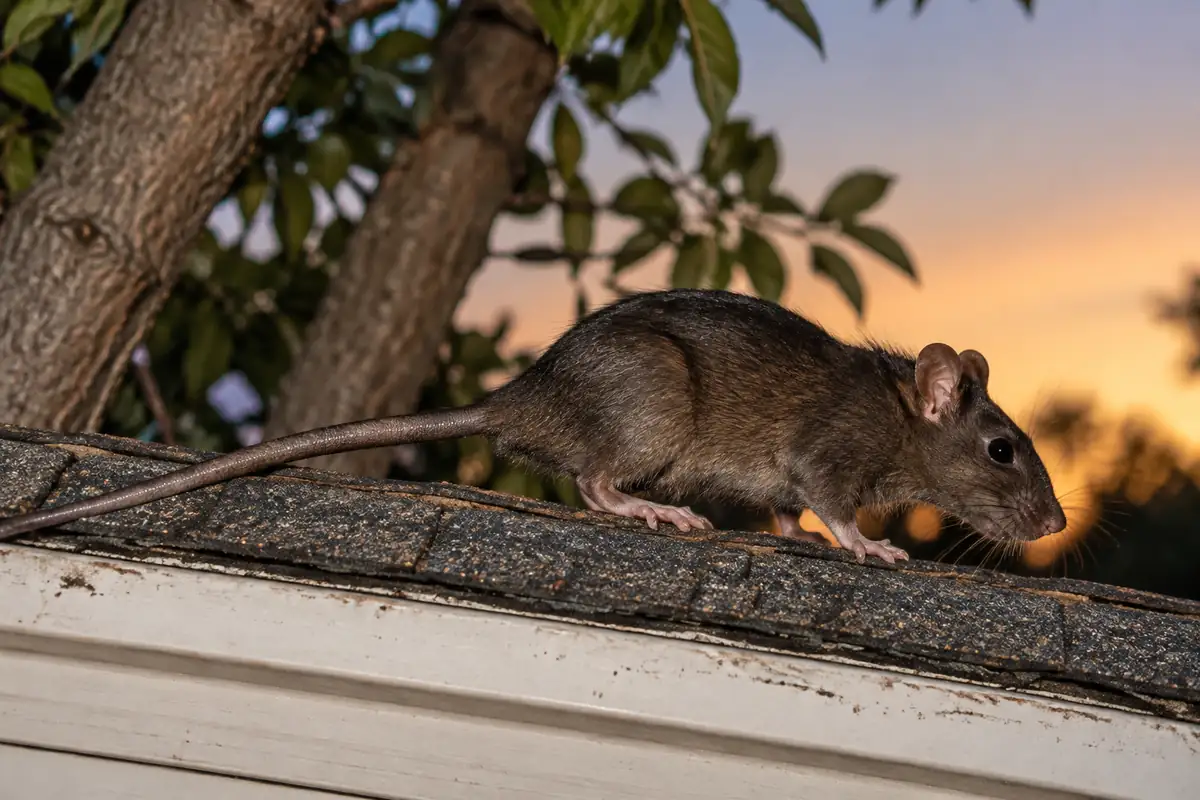
The sound usually starts around midnight: a quick scratch, a pause, then something that sounds like a marble rolling across the ceiling. In Georgetown that is most often a roof rat that walked in along an oak limb, or a house mouse that slipped under the garage door when the nights turned cool. Traps alone rarely end it. This page explains how a rodent exterminator Georgetown TX families rely on finds the way in, removes the animals and closes the door behind them.
Not every attic noise is a rat. Heavy thumping late at night, or busy scrambling right at sunrise and again before dark, points to raccoons or squirrels, and those animals are handled with one-way doors and roof repairs rather than bait. The wildlife removal page explains how to tell them apart and what Texas law allows.
In short
Georgetown homes deal mainly with roof rats in attics and house mice in walls, garages and kitchens. Rodents move indoors from October through the winter. Real control has three parts: an inspection to find entry points, trapping or baiting to remove the animals, and exclusion to seal the gaps, followed by cleanup of droppings and nesting.
Roof rats, Norway rats and house mice
Three rodents account for nearly every rodent problem in a Georgetown house. Telling them apart helps you understand where they live and how they got in.
| Roof rat | Norway rat | House mouse | |
|---|---|---|---|
| Size | Slender, 6–8 in. body, tail longer than body | Heavy, 7–10 in. body, shorter tail | Small, 3–4 in. body |
| Where it lives | Attics, upper walls, trees | Burrows, crawl spaces, ground floor | Walls, cabinets, garages, stored boxes |
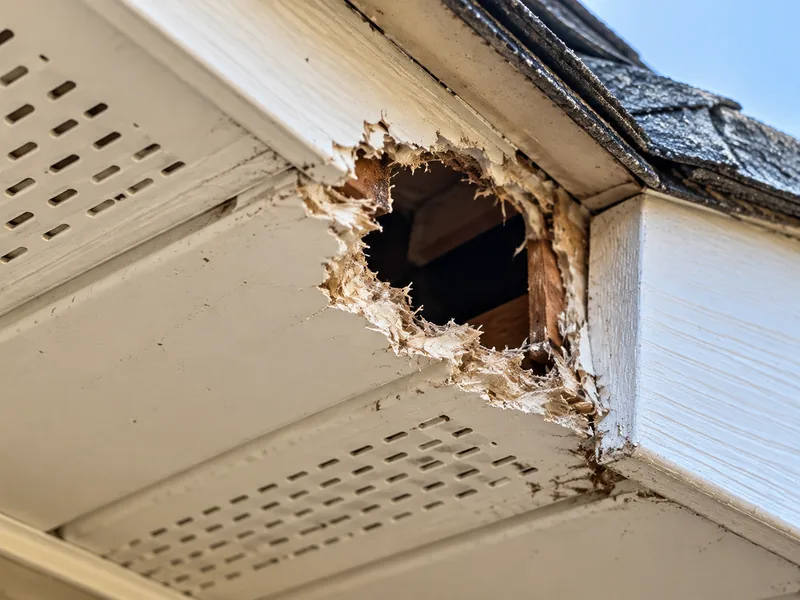
| How it gets in | Tree limbs, roof gaps, soffits, vents | Holes at ground level, crawl-space vents | Gaps the width of a pencil, garage door seals |
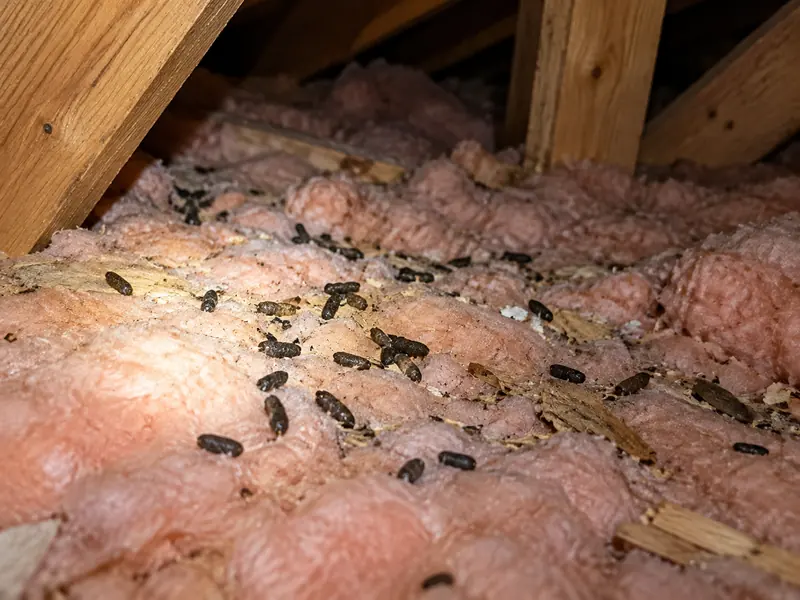
| Droppings | About ½ in., pointed ends | About ¾ in., blunt ends | About ¼ in., like rice grains |
In older, tree-shaded neighborhoods, the roof rat is the usual culprit. In newer subdivisions next to open land, the house mouse is more common. Norway rats show up around crawl spaces, sheds and commercial dumpsters.
Signs in your attic, walls and kitchen
- Scratching, running or gnawing sounds at night, especially in the ceiling or walls
- Droppings along attic insulation, on top of kitchen cabinets, in drawers or behind the stove
- Greasy smudge marks along beams, pipes or walls where rodents travel the same path
- Chewed food packaging, pet food bags or insulation, and chewed wiring in the attic
- Shredded paper, insulation or fabric balled into a nest in a corner, box or wall void
- A strong ammonia smell in a closed space, or the sweet, sickly smell of a dead rodent
- Pets staring at, pawing at or barking at a wall
Why Georgetown homes get rodents
Oak and pecan canopy
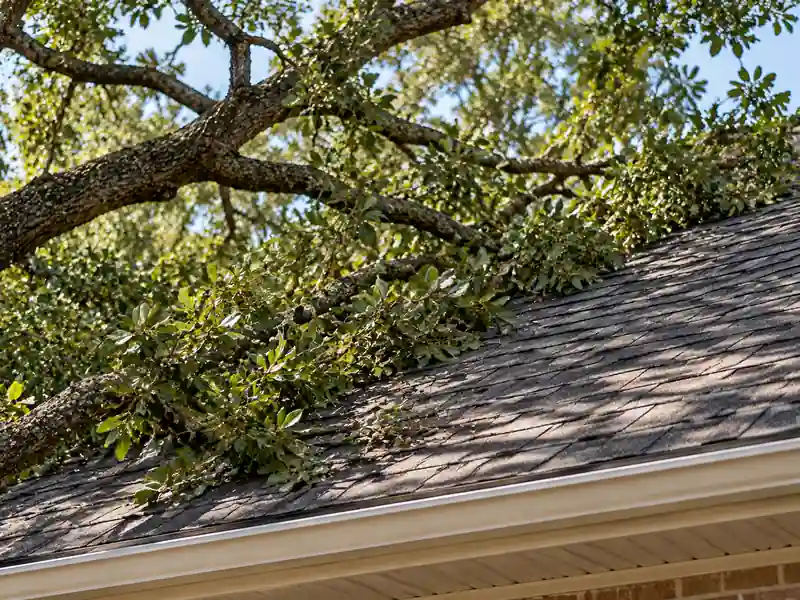
Georgetown’s mature live oaks and pecans are part of what makes neighborhoods like Old Town and Berry Creek pleasant. They are also highways. Roof rats are agile climbers that run along branches, drop onto the roof and look for a gap at the soffit, roof vent or where the roof meets a wall. San Gabriel Park alone has oaks estimated at around 200 years old, and the older streets nearby share that canopy.
Construction pushing mice out of fields
When ranch land is cleared for a new phase of homes, the mice, rats and other small animals living in that field have to go somewhere. New homes on the edge of construction, in places like Wolf Ranch, often see mice in garages and kitchens within months of moving in.
Pier-and-beam crawl spaces
Many historic homes downtown sit on pier-and-beam foundations. Torn vent screens, gaps around plumbing and open skirting let rodents live under the floor and climb into walls. The Historic Downtown page covers these homes.
The fall move indoors
Georgetown winters are mild, but when nights drop into the 40s in October and November, rodents look for steady warmth. That is when calls about noises in the attic climb, and it is the ideal time to seal a house before they settle in.

How a rodent exterminator Georgetown TX homes rely on works
Rodent control that lasts follows the same order every time. An independent exterminator who skips straight to bait is treating the symptom.
Inspection
A full walk of the roofline, soffits, vents, garage, attic and foundation to find every entry point and active runway. Expect to hear how many openings were found and where.
Removal
Traps placed along active runways, sometimes with tamper-resistant bait stations outdoors. Indoors, trapping is usually preferred so animals are not left to die in walls.
Exclusion
Sealing gaps with materials rodents cannot chew, such as metal mesh, hardware cloth, metal flashing and sealant. This is the step that stops the problem from returning.
Cleanup
Removing droppings, nests and soiled insulation carefully, and disinfecting where needed. Heavy attic contamination may call for insulation replacement.
Ask how many follow-up visits are included. Trapping usually takes more than one trip, and exclusion work should come with a check that the seals held.
Rodent season in Georgetown
| Months | What rodents are doing | What to do |
|---|---|---|
| September | Feeding heavily, scouting for shelter | Trim branches back from the roof; check garage door seals |
| October – February | Moving into attics, walls and garages | Inspect and seal; trap any activity right away |
| March – May | Breeding; young leaving nests | Watch for new droppings after winter |
| June – August | Mostly outdoors, but established attic colonies stay | Address any attic activity before fall |
Attic cleanup after rodents: what is involved
Removing the rodents is only half of the job. Droppings, urine and nesting material left behind keep the smell, can attract more rodents and other pests, and can contain allergens. A thorough cleanup usually includes:
- Wearing gloves and a mask, and avoiding sweeping or dry vacuuming that stirs up dust
- Spraying droppings and nests with a disinfectant and letting it soak before removal
- Bagging and removing droppings, nests and heavily soiled insulation
- Sanitizing the affected surfaces, such as joists and the attic floor
- Replacing insulation where contamination or tunneling is widespread
- Checking wiring and ductwork for damage that needs an electrician or HVAC technician
The Texas Department of State Health Services and the CDC recommend wet cleaning methods for rodent waste for this reason. Ask your exterminator whether cleanup is included or quoted separately.
Calls connect you with an independent local exterminator.
Rodent-proofing checklist
- Trim tree limbs so they are at least 6 to 8 feet from the roof
- Replace the bottom seal on the garage door and the side weatherstripping
- Screen roof, gable and foundation vents with ¼-inch hardware cloth
- Seal gaps around AC lines, pipes and cables with metal mesh and sealant, not foam alone
- Store pet food, birdseed and pantry items in sealed hard containers
- Pick up fallen pecans, fruit and spilled birdseed in the yard
- Move boxes in the garage off the floor and away from walls
- Keep firewood and brush piles away from the house
Rodent FAQs for Georgetown homeowners
Why do I only hear the noises at night?
Rats and mice are most active after dark, when they leave the nest to feed. Roof rats in particular start moving around dusk. Daytime noise can mean a large population or a problem with a different kind of animal.
Will rats leave on their own?
Rarely. Once rodents have food, water and a warm, safe nest, they stay and breed. A female house mouse can have several litters a year. The longer you wait, the bigger the cleanup.
Do rodents attract kissing bugs?
Kissing bugs feed on the blood of animals that nest around homes, including wood rats and other rodents, so a rodent nest in or near the house can bring them closer. Central Texas has the widest variety of kissing bug species in the state. Read our kissing bugs in Georgetown post for what to look for.
What if a rodent dies inside a wall?
The smell usually peaks within a few days and can last a couple of weeks. An exterminator can sometimes locate and remove the carcass. This is one reason many prefer trapping over poison bait indoors.
Are rodent baits a risk to pets?
They can be. Rodent baits are toxic to dogs and cats. Professionals use locked, tamper-resistant stations and place them where pets cannot reach. Tell the technician about your pets, and call your vet right away if a pet may have eaten bait.
Can roaches and mice make allergies worse?
Yes. Mouse urine, droppings and dander are known indoor allergens and asthma triggers, particularly for children. Cleaning up after removal, with gloves and a damp method rather than sweeping, matters as much as the removal itself.
Related pests and reading
Rats in the attic?
Roof rats and Georgetown’s oak trees, with a full entry-point checklist.
Pests in Berry Creek
Mature oaks, older rooflines and why attics get rodents.
Kissing bugs
Why rodent nests and kissing bugs often go together.
Sources: Texas A&M AgriLife Extension, rodent control · Texas DSHS, kissing bug and Chagas disease post · Visit Georgetown, San Gabriel Park · Back to the Georgetown exterminator homepage