
Pest help · Georgetown, TX
Wildlife Removal in Georgetown, TX
Something heavy is walking across the ceiling after midnight, the lawn looks like it was rototilled overnight, or there is a smell under the deck that was not there last week. Wildlife removal Georgetown TX homeowners can rely on is mostly about finding out which animal it is, how it got in, and closing that door for good without trapping a mother away from her young.
In short
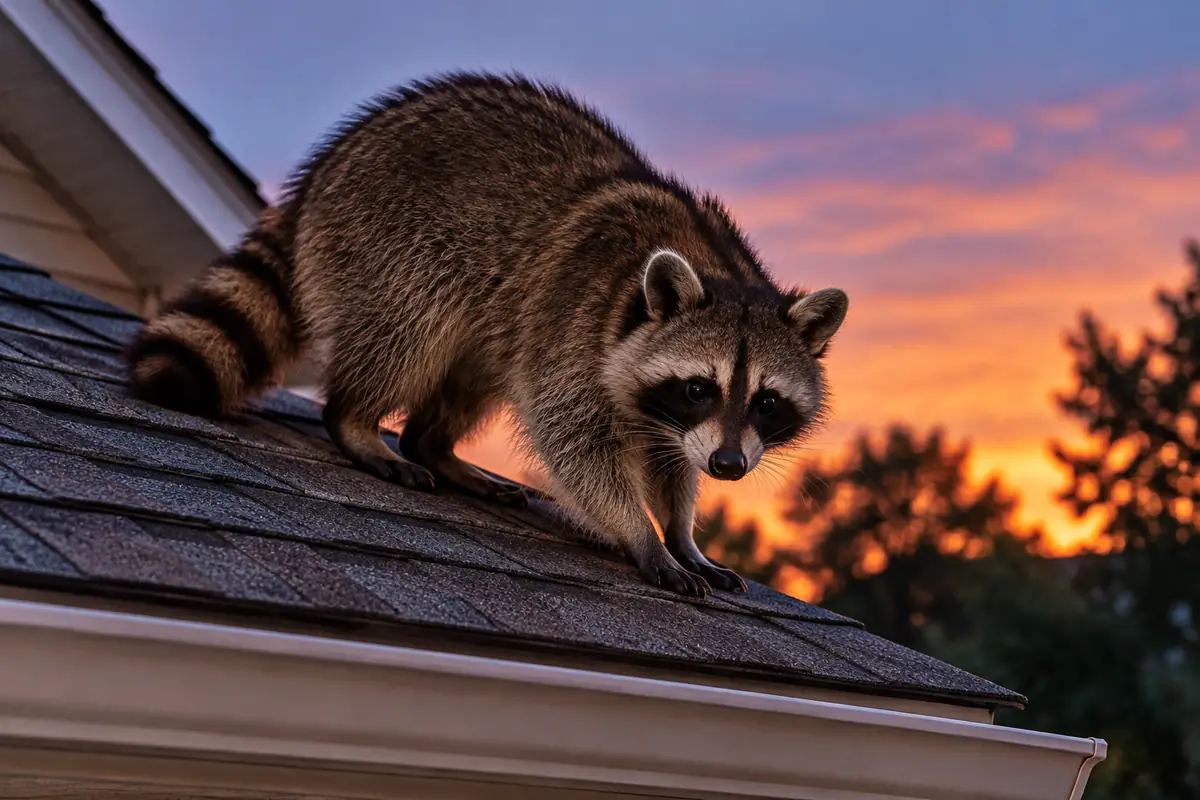
Wildlife removal Georgetown TX homes need follows the same order: identify the animal by its hours and noises, find every entry point, then evict with one-way doors before sealing. Raccoons cannot legally be relocated in Texas, bats are protected and have a pup season, and an attic is not finished until the damage and droppings are dealt with.
Which animal is it? Listen to the clock
Before anyone climbs into the attic, the timing of the noise narrows things down more than any other clue. Keep a note on your phone for two or three nights: what time you hear it, whether it is light scurrying or heavy thumping, and whether it starts or stops around sunrise and sunset.
| Animal | When you hear it | What it sounds like | Usual way in |
|---|---|---|---|
| Squirrels | Early morning and late afternoon | Quick scampering, rolling and gnawing | Chewed soffit corners, roof returns, gable vents |
| Raccoons | Late night | Heavy walking, thumps, chattering or growling young in spring | Torn roof vents, loose fascia, open chimneys |
| Opossums | Night | Slow shuffling, mostly in crawl spaces and under decks | Gaps in skirting, loose foundation vents |
| Bats | Dusk and just before dawn | Faint squeaks and fluttering near one wall | Gaps as narrow as a finger along fascia, chimney flashing, tile roofs |
| Rats and mice | All night | Light, fast scratching inside walls | Small gaps at utility lines and weep areas |
Rats and mice are a separate job with their own baiting and trapping rules, so they are covered on the rodent exterminator page for Georgetown. Everything below is about the larger animals.
Why Georgetown houses make easy dens
Three things about this city keep wildlife removal Georgetown TX crews busy. The first is the tree canopy. Mature live oaks and cedar elms shade most older streets and plenty of newer ones, and a limb resting within a few feet of the shingles is a ramp straight to the roofline.
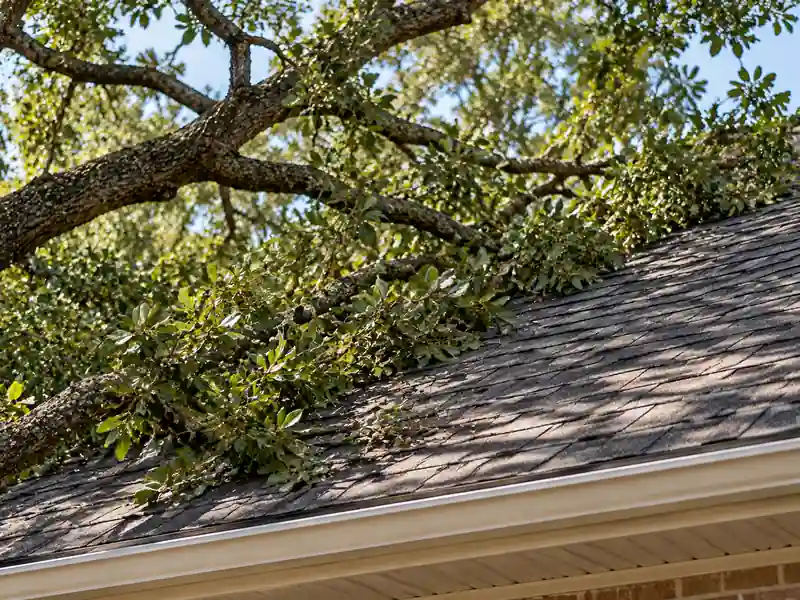
The second is the roof design on newer two-story builds. Roof returns, where a lower roof meets a taller wall, leave small boxed corners that are often finished with thin trim. Squirrels chew those corners open within a season, and raccoons pull them apart in a night. The third is water and cover: the North and South San Gabriel forks, Berry Creek, the hike-and-bike greenbelts and every drainage channel give raccoons, opossums and skunks a protected highway right up to backyard fences.
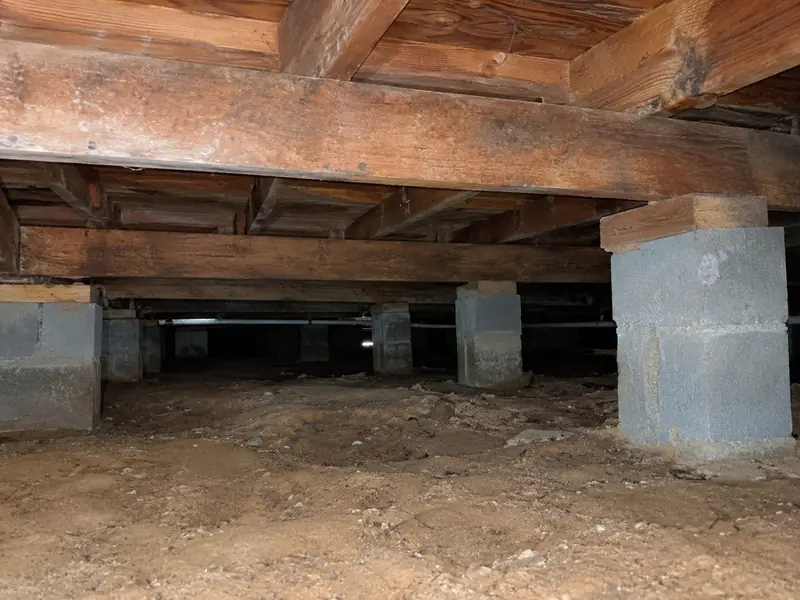
Older homes near the square add one more opening. Many sit on pier-and-beam foundations, and a crawl space with a broken vent screen or rotted skirting is the warmest, driest room on the block for an opossum in January.
Raccoons in the attic
A raccoon in the attic is usually a female looking for a safe place to raise kits, and spring is when most of those calls come in. She will flatten insulation into a nest, use one corner as a latrine, and tear at ducts and wiring as the young grow. Trapping her and leaving the kits behind creates a much worse problem a few days later.
Relocation is also off the table. Texas Parks and Wildlife explains that raccoons, foxes and coyotes cannot be transported because of state rabies quarantine rules. That leaves two real options: eviction with a one-way door once the young are mobile, or removal of the family together by a licensed professional, followed by repairs to the entry point the same day.
Squirrels chewing the soffit
Fox squirrels are the most common attic animal in town by a wide margin. They gnaw constantly to keep their teeth in check, and once inside they work on rafters, stored boxes and electrical wiring. The giveaway outside is a round hole about the size of a tennis ball at a soffit corner, often with fresh wood shavings on the ground below it.
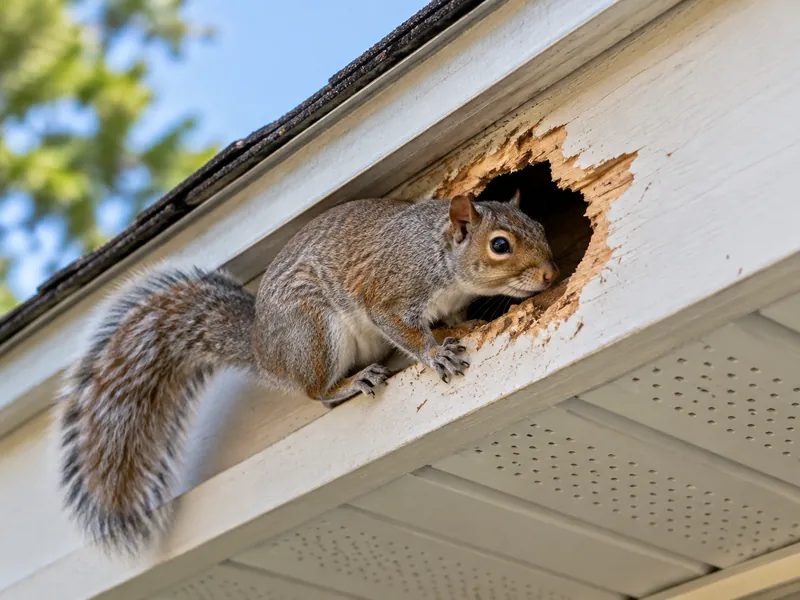
Fox squirrels usually have two litters a year, and Texas Parks and Wildlife notes breeding peaks in January and February and again in May and June, so there are helpless young in attics for a good part of the year. Sealing a hole while young are inside leads to frantic chewing at a new spot or a dead-animal smell in the ceiling. A one-way exclusion door over the main hole, with every secondary gap sealed first, gets the whole family out on their own schedule.
Bats: protected, and a rabies question
Bats eat enormous numbers of insects, and Texas law reflects that. Under the Parks and Wildlife Code, a bat cannot be hunted or sold, though one inside or on an occupied building may be removed. Federal rules also bar using pesticides or mothballs on them. In practice, the legal and effective method is exclusion: netting or tubes over the exits so bats leave at dusk and cannot come back.
Timing matters. Young bats cannot fly for several weeks after birth, and an exclusion in early summer seals them inside. A 2025 Texas Senate bill, SB 1285, proposed barring exclusions from May 1 through August 31 for exactly that reason, and reputable crews already plan around that window.
The health side is real, too. In late September 2025 a bat found on Lazy Creek Drive in Georgetown tested positive for rabies, and officials reminded residents not to handle bats and to call Williamson County Animal Control after any possible contact. A bat found in a room where someone was sleeping, or near a young child, should be safely contained for testing if possible, not released.
Skunks and armadillos under decks and slabs
Skunks prefer to den under things: low decks, storage sheds, porch slabs and the gap under an AC pad. You may smell one long before you see it. Armadillos are the other night digger. Fresh cone-shaped holes in a lawn or bed, especially after a rain when grubs come near the surface, point to an armadillo rather than a dog or a skunk.
For both animals, the lasting fix is a barrier rather than a trap. A skirt of galvanized hardware cloth around the deck or shed, bent into an L shape and buried outward along the bottom edge, stops them from digging under. It only goes on after the animal is confirmed gone, which is where a one-way door or a few nights of loose soil across the entrance comes in.
Snakes along limestone walls
Stacked limestone borders, rock walls and firewood piles are everywhere in Georgetown, and they are perfect cover for snakes and the mice snakes eat. Most snakes you will meet are harmless rat snakes, which actually help with rodents. Central Texas also has venomous species, so the rule is simple: keep your distance, keep pets back, and let a professional identify and move it.
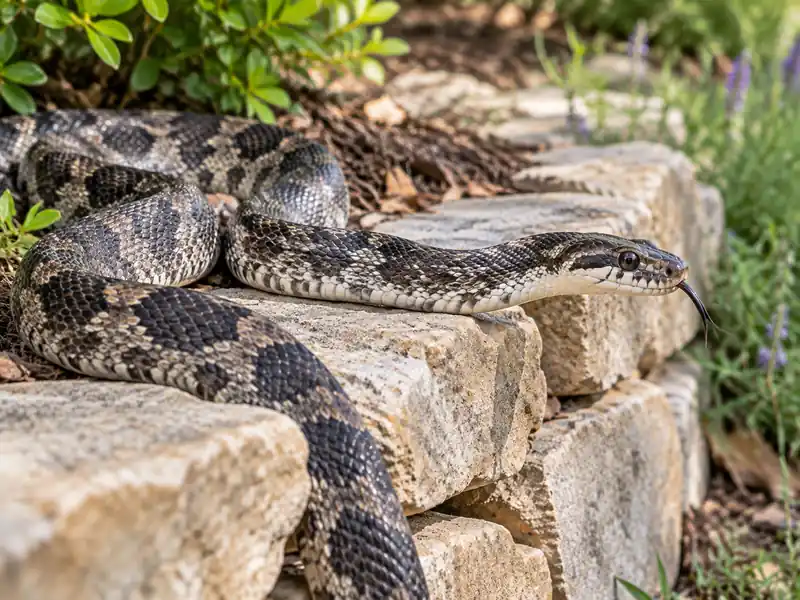
If snakes keep showing up near the house, look for the rodents that brought them. Stored birdseed, pet food in the garage and wood stacked against the siding are the usual draws.
Calls connect you with an independent local exterminator.
Wildlife removal Georgetown TX: how a proper job runs
Good wildlife removal Georgetown TX work looks more like construction than pest control. Expect something close to this sequence, and be wary of anyone who wants to set a trap and leave without walking the roof:
- A full inspection of the roofline, vents, chimney, foundation and crawl space, with photos of every gap, not just the one the animal is using.
- Sealing all secondary openings first with metal flashing, hardware cloth or heavy-gauge vent covers. Foam and caulk alone get chewed through.
- One-way doors or bat tubes on the main entry, timed around babies and, for bats, the summer pup season.
- Removal of the door and a permanent seal once activity stops, usually after several quiet nights.
- Attic cleanup if needed: soiled insulation, latrine areas and nesting debris removed, and damaged wiring or ducts flagged for an electrician or HVAC tech.
Ask whether the repairs carry a warranty and what happens if an animal finds a new way in. A crew that seals the house properly should be willing to come back.
Wildlife-proofing checklist for Georgetown homes
- Trim oak and elm limbs back at least several feet from the roof and keep them trimmed
- Cap the chimney with a stainless steel screen cap
- Replace plastic roof and gable vent covers with metal ones
- Check roof returns and soffit corners twice a year for chew marks
- Repair crawl space vents and skirting on pier-and-beam homes
- Store pet food and birdseed in sealed metal bins
- Secure trash can lids, and keep cans in the garage until pickup morning
- Move firewood and rock piles away from the foundation
Wildlife removal Georgetown TX questions
Can I trap the animal myself and let it go somewhere else?
Not with raccoons, foxes or coyotes, which state rules bar from being transported. Releasing other nuisance fur-bearers off your property requires written permission from Texas Parks and Wildlife and from the landowner, according to the agency’s law enforcement FAQ. In most cases, exclusion is simpler and keeps the animal from coming back.
What if I find a bat inside the house?
Close interior doors, keep children and pets out of the room and do not touch it with bare hands. If anyone may have been bitten or woke up with the bat in the room, contact Williamson County Animal Control and your doctor before letting it go, because the bat may need to be tested.
How long does it take to get an animal out of the attic?
The visit itself is often a few hours, but the whole process usually runs about a week. One-way doors need several quiet nights before the final seal goes on, and a mother with young may need extra time.
Will homeowners insurance pay for the damage?
It depends on the policy. Many policies exclude damage from rodents and some wildlife, while others cover sudden damage from larger animals. Take photos during the inspection and call your insurer before repairs start.
Why do I smell something bad in one room?
A strong odor that appears suddenly, often with flies at a light fixture or vent, usually means an animal died in a wall or ceiling. It needs to be located and removed; masking sprays will not fix it.
Related pests and reading
Rats and mice
Smaller animals, different methods. Start here for scratching inside walls.
Roof rats and oak trees
Why the same overhanging limbs bring rats into the attic.
Pests near the square
Pier-and-beam crawl spaces and older rooflines downtown.
Sources: Texas Parks and Wildlife, nuisance animal FAQ · Texas Parks and Wildlife, fox squirrel · Texas A&M AgriLife, Texas laws pertaining to bats · Hoodline, Georgetown rabid bat alert · Back to the Georgetown exterminator homepage