
Areas we serve · Georgetown, TX
Areas We Serve in Georgetown, TX
This site covers Georgetown addresses in two ZIP codes, 78626 and 78628. Together they take in the Square and Old Town, the east-side subdivisions on Blackland clay, the San Gabriel River corridor and the fast-growing west side, from Berry Creek down to Wolf Ranch. Pest control Georgetown TX 78626 homes need is not the same as what an exterminator Georgetown TX 78628 homeowners call is asked to fix, and this page explains why, area by area.
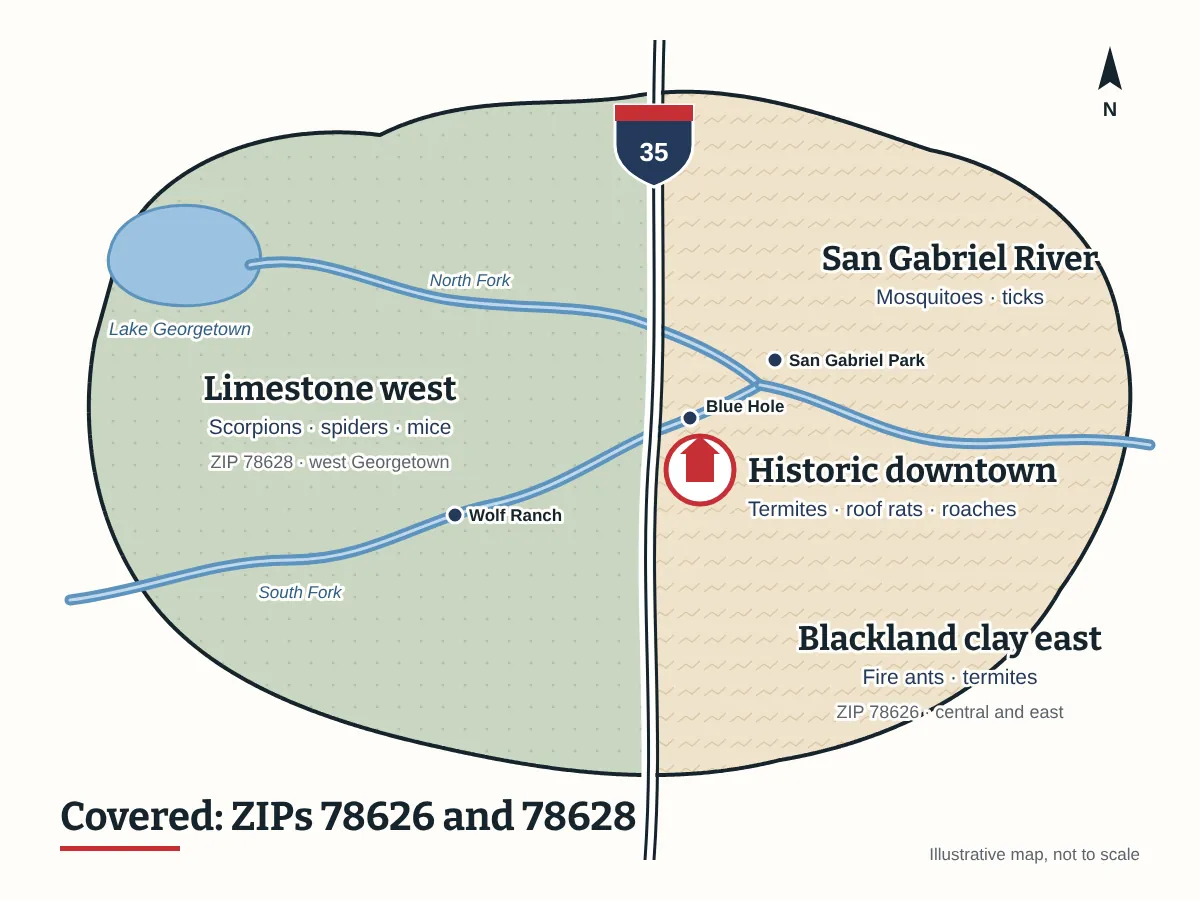
Coverage
Requests from Georgetown addresses in ZIP codes 78626 and 78628 are matched with independent local exterminators. If you are not sure of your ZIP code, it is printed on any piece of mail, and a quick check of the neighborhood list below usually settles it.
Areas we serve: Georgetown, TX ZIPs 78626 and 78628
Georgetown’s pest problems follow its geography more than its street names. Interstate 35 runs roughly along the line where two very different kinds of ground meet. To the west is the Hill Country edge: thin soil over fractured limestone, cedar and live oak, and rocky lots. To the east is the Blackland Prairie: deep, dark clay that cracks in summer and turns to glue in winter rain. The San Gabriel River’s two forks cut through the middle and meet just north of downtown. Each of those settings favors different pests.
West Georgetown (78628)
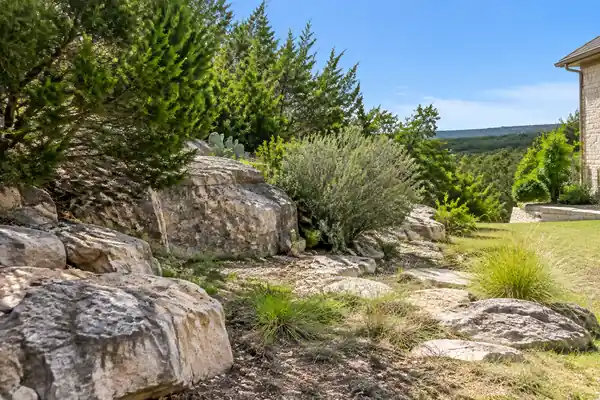
The 78628 ZIP covers most of the west side, where the city has grown fastest. Limestone ground, rock landscaping, golf-course greenbelts and new construction on former ranch land all shape what shows up.
- Wolf Ranch: new construction along the South Fork of the San Gabriel. Scorpions on the hilltop lots, fire ants in new sod, mice pushed out of nearby fields, and mosquitoes and ticks along the river trail.
- Berry Creek: an established neighborhood built around a golf course, with homes from the 1980s onward and big oaks. Roof rats, termites in older homes and mosquitoes near the creek.
- Cimarron Hills: larger homes on rocky lots, with heavy scorpion and spider pressure. If you are finding them indoors, start with how scorpion treatment works.
- Riverstone and other newer phases: active construction, which means fire ants, scorpions and displaced rodents in the first few years.
Central and Historic Georgetown (78626)
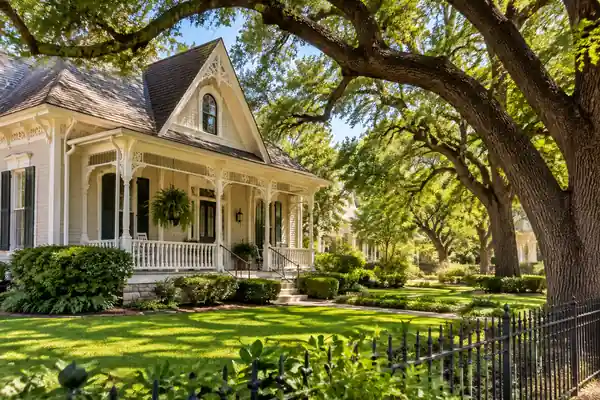
The heart of the city sits in 78626: the 1911 Williamson County Courthouse, the shops and restaurants around the Square, Southwestern University and several historic residential districts, including Belford, University Avenue and Elm Street, and Olive Street.
- Wood-frame Victorian homes and original framing are a termite target; see termite control
- Big shade trees over older roofs give roof rats a path into attics; see the rodent exterminator page
- Restaurants sharing walls around the Square deal with German cockroaches; see the commercial exterminator page
The full story is on the Historic Downtown page.
East Georgetown (78626)
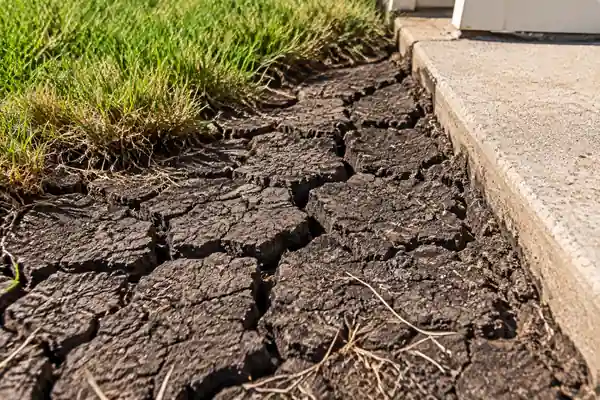
East of I-35, subdivisions such as Crystal Knoll, Fairhaven and La Conterra sit on Blackland clay. Slab homes here are mostly newer, but the clay’s swelling and shrinking stresses foundations and opens gaps termites can use. Open, sunny lawns make fire ant mounds a near-constant after rain. The Georgetown side of Teravista, which crosses into Round Rock, sees fire ants and mosquitoes; check your ZIP code before reaching out.
- Fire ants and other ants: ant exterminator
- Termites in slab homes: termite control and termite inspection
- Summer roaches: cockroach exterminator
Along the San Gabriel River
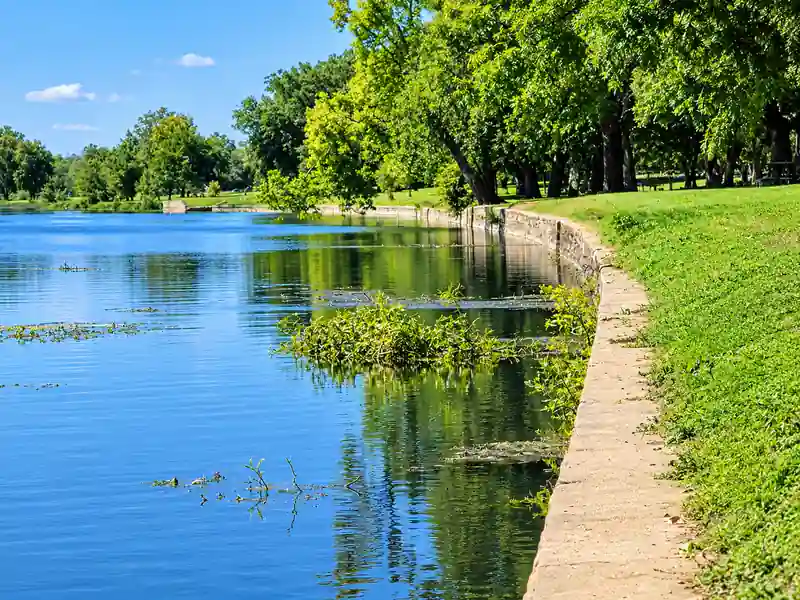
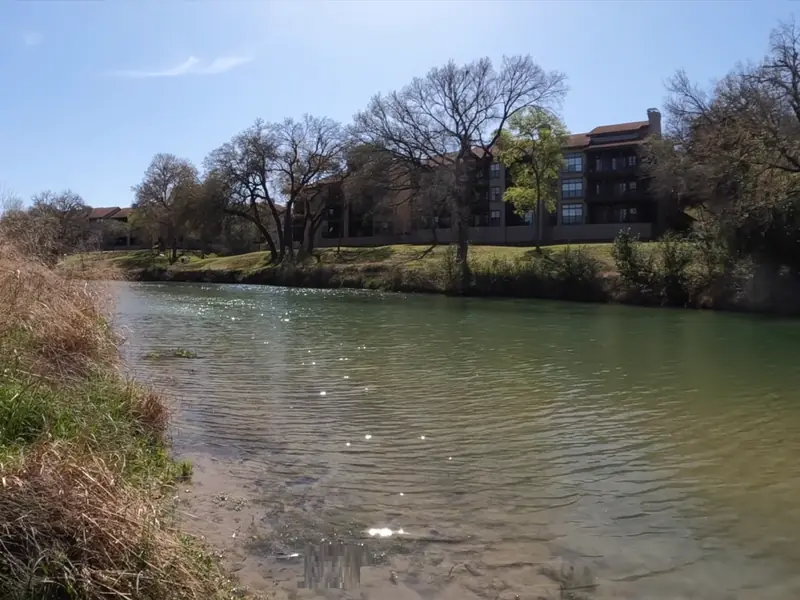
The North and South Forks of the San Gabriel meet at San Gabriel Park, a large park with oaks estimated at around 200 years old. Blue Hole, a lagoon on the South Fork bordered by limestone bluffs, sits about five blocks north of the Square, and city trails follow both forks toward Lake Georgetown.
Living near the water means:
- Mosquitoes from spring through fall, including documented West Nile detections in city traps; see mosquito control
- Ticks along brushy trail edges and greenbelts; see flea and tick control
- Roof rats in the big riverside oaks; see the rodent exterminator page
Pest control Georgetown TX 78626 and 78628: neighborhood quick reference
| Neighborhood | ZIP | Housing | Main pests | Read more |
|---|---|---|---|---|
| Historic Downtown and Old Town | 78626 | Victorian homes, pier-and-beam, shops and restaurants | Termites, roof rats, German cockroaches | Historic Downtown |
| Southwestern University area and Olive Street | 78626 | Older homes on tree-lined streets, rentals | Termites, roof rats, cockroaches | Termite control |
| Crystal Knoll, Fairhaven, La Conterra | 78626 | East-side subdivisions on clay | Fire ants, termites | Ant exterminator |
| Teravista (Georgetown side) | 78626 | Subdivision crossing into Round Rock | Fire ants, mosquitoes | Mosquito control |
| Wolf Ranch | 78628 | New construction along the South Fork | Scorpions, fire ants, mice | Wolf Ranch |
| Berry Creek | 78628 | 1980s–2000s homes around a golf course | Roof rats, termites, mosquitoes | Berry Creek |
| Cimarron Hills | 78628 | Larger homes on rocky lots | Scorpions, spiders | Spider exterminator |
| Riverstone | 78628 | New construction | Fire ants, scorpions | New construction pests |
Is my address covered?
If your mailing address is in Georgetown with ZIP code 78626 or 78628, yes. Georgetown-area addresses with other ZIP codes fall outside what this site covers.
How housing age changes the pest picture
Across both ZIP codes, the age of a home matters about as much as its location:
- New construction (built in the last few years): scorpions, fire ants and displaced mice from cleared land; termite protection comes from the builder’s pre-treatment, so keep the paperwork
- 1980s to early 2000s homes: aging rooflines and vents, wood decks and porches, mature trees touching the roof; roof rats and termites become more likely
- Historic homes downtown and in Old Town: original wood, pier-and-beam crawl spaces and older plumbing; termites, rodents and roaches in shared commercial buildings
A quick pest calendar by area
| Season | West (78628) | Central and historic (78626) | East (78626) | River corridor |
|---|---|---|---|---|
| Spring | Scorpions return, fire ants in new sod | Termite swarms in older homes | Fire ant mounds, termite swarms | Mosquitoes start |
| Summer | Scorpion peak, wasps on two-story eaves | Roaches in shared buildings | Ants seeking water indoors | Mosquitoes and ticks peak |
| Fall | Mice move into garages | Roof rats into attics | Second fire ant flush | West Nile detections often reported |
| Winter | Sealing and repairs | Rodents indoors | Indoor ants | Quiet; good time to clear brush |
Calls connect you with an independent local exterminator.
Every pest page on this site
- Scorpion exterminator · Termite control · Termite inspection
- Rodent exterminator · Ant exterminator · Cockroach exterminator
- Spider exterminator · Bed bug exterminator · Wasp removal
- Mosquito control · Flea and tick control · Commercial exterminator · Wildlife removal
Questions about the areas we cover
Does this site cover my Georgetown address?
It covers Georgetown addresses in ZIP codes 78626 and 78628. Your ZIP code is on any piece of mail.
Why do pests differ between east and west Georgetown?
Because the ground is different. The west side’s fractured limestone and rock landscaping shelter scorpions and spiders. The east side’s Blackland clay shrinks and swells, cracking slabs and inviting termites, while open lawns favor fire ants.
Has West Nile virus been found in Georgetown neighborhoods?
Yes. City of Georgetown notices have reported positive mosquito traps downtown near Main and Third streets, in Berry Creek, and at Geneva Park and Blue Hole Park. Our West Nile post links each notice, and the mosquito control page covers what to do at home.
I live near the river trail. What pests should I expect?
Mosquitoes from spring to fall, ticks along brushy edges and roof rats in the big riverside oaks. Draining standing water weekly and keeping trail-side grass and brush trimmed help.
Are new subdivisions really worse for pests?
In the first few years, often yes. Clearing land scatters scorpions, fire ants and rodents toward the newest homes. Our blog post on pests in new construction homes explains what to expect.
Sources: San Gabriel River (Texas)) · American Trails, San Gabriel River trails · City of Georgetown historic districts · City of Georgetown, West Nile trap notices · Back to the Georgetown exterminator homepage
How can I confirm which ZIP code my street is in?
It is printed on your utility bill and on your property record with the Williamson Central Appraisal District. This site covers 78626 and 78628. Homes with a 78633 address, which includes Sun City, fall outside the area the referral network serves, so requests from there may not be matched with a provider. If your street sits close to a ZIP boundary, trust the ZIP printed on your mail over the one a map app suggests, because the two do not always agree.
My HOA already pays for pest control. Does that cover my house?
Usually not. HOA contracts tend to cover common areas such as pools, amenity centers, entry beds and greenbelts. The inside of your home, your yard and your foundation are your responsibility. If ants or scorpions seem to be coming off a common area, report it to the management company as well, so the source gets treated along with your property.