
Pest help · Georgetown, TX
Commercial Exterminator in Georgetown, TX
For a business, one cockroach in the wrong place costs more than the treatment ever would. A customer posts a photo, a health inspector notes it, a tenant refuses to renew. Georgetown’s business base has grown with the city, from restaurants and shops in century-old buildings around the Square to new retail at Wolf Ranch Town Center and apartment communities on every side of town. A commercial exterminator Georgetown TX businesses rely on has to work around customers, keep records and stop problems before anyone notices them.

In short
Commercial pest control is scheduled, documented service built around a property’s specific risks: German cockroaches and rodents for food businesses, rodents and ants for offices and retail, and a mix of everything for apartments and HOAs. Expect an initial inspection, a written service plan, regular visits outside business hours and a log of every treatment and sighting.
Restaurants and food businesses
Food service is where commercial pest control matters most. Texas food establishment rules require operators to keep premises clear of insects and rodents, and local health inspectors look for any evidence of activity during routine inspections. German cockroaches are the biggest threat in kitchens, followed by house mice, Norway rats around dumpsters and grease traps, and flies near back doors.
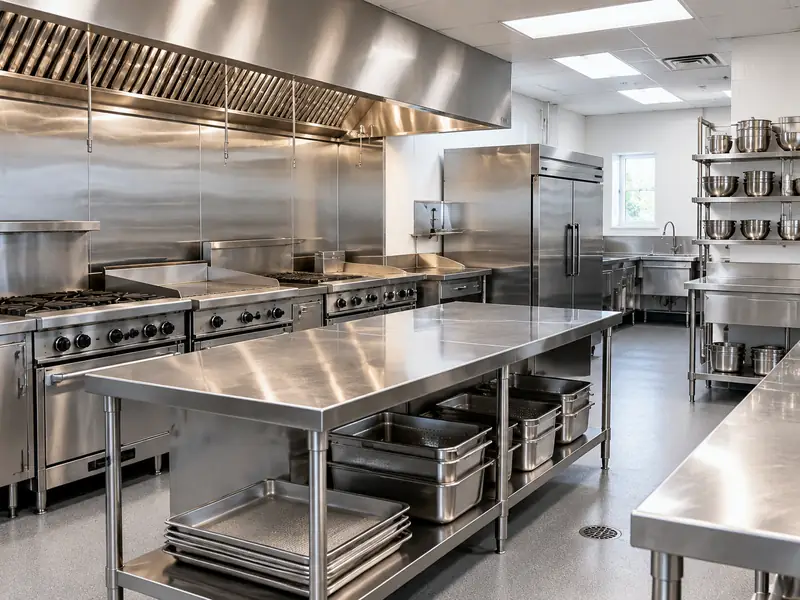
Restaurant pest control usually includes:
- Monthly or more frequent service, inside and out
- Gel baits, growth regulators and crack-and-crevice treatment in kitchens, bars and storage
- Rodent monitoring and exterior bait stations around dumpsters and loading areas
- Fly control near doors and waste areas
- Drain cleaning recommendations, since drains feed both flies and roaches
- A written service log and recommendations for sanitation and repairs, ready for an inspector
The old commercial buildings around the Square add their own challenge. Shared walls, basements, old plumbing chases and decades of renovations connect one business to the next, so an untreated neighbor can keep reinfesting your space. Our Historic Downtown page covers those buildings.
Offices and commercial buildings
Offices and retail spaces deal with ants coming in from landscaping, rodents in ceilings and storage rooms, cockroaches in break rooms and spiders and scorpions in warehouses and stockrooms on the west side. Service is often quarterly, with extra visits when a problem is reported, and focuses on break areas, restrooms, loading docks and the building perimeter.
Apartments, rentals and HOAs
Multi-unit properties have the most complicated pest problems because pests travel between units. German cockroaches and bed bugs move through shared walls and plumbing, and one resident’s clutter can undo treatment in the units around it.
- Apartment communities: scheduled common-area and exterior service, plus unit treatments on request, with coordinated treatment of neighboring units for roaches and bed bugs
- Single-family rentals: move-out and move-in inspections, termite inspections, and treatment between tenants
- HOAs: common areas, amenity centers, playgrounds and pavilions, which often need fire ant and wasp control during the warm months
Rental owners and property managers usually want one provider for several addresses, consistent reporting and clear lines on who pays for what between landlord and tenant.
Common commercial pests in Georgetown
| Pest | Where it shows up | Why it matters |
|---|---|---|
| German cockroaches | Kitchens, bars, break rooms, apartments | Health inspections, reputation, fast breeding |
| House mice and Norway rats | Storage, ceilings, dumpsters, loading docks | Contamination, gnawed wiring, inspections |
| Flies | Kitchens, waste areas, back doors | Sanitation and customer complaints |
| Fire ants | Landscaping, playgrounds, sidewalks | Stings to customers and residents |
| Termites | Wood-frame and older buildings | Structural damage |
| Scorpions and spiders | West-side warehouses, stockrooms, garages | Employee and customer safety |
| Mosquitoes | Patios, pools, retention ponds | Outdoor seating, amenity areas |
How a commercial exterminator Georgetown TX businesses use works
Site inspection
A walk-through of the whole property, inside and out, noting pest activity, entry points, sanitation and storage issues.
Written plan
A plan listing target pests, service frequency, treatment areas, products and the employee practices that support it.
Scheduled service
Visits before opening, after closing or during slow hours, with monitors checked and treatments recorded each time.
Records and reporting
A service log, sighting log and recommendations, kept on site or online for managers and inspectors.
Pest pressure by type of Georgetown business
Not every business needs the same plan. Here is how the risks usually line up across the kinds of properties found in Georgetown:
| Business type | Highest-risk pests | Typical service rhythm | What inspectors and customers notice |
|---|---|---|---|
| Restaurants, bars, cafés | German cockroaches, mice, flies | Monthly or more | Droppings, live roaches, flies near food |
| Grocery, convenience, food retail | Rodents, stored-product insects, roaches | Monthly | Chewed packaging, droppings on shelves |
| Offices and medical suites | Ants, roaches in break rooms, spiders | Quarterly with call-backs | Ants on desks, spiders in corners |
| Warehouses and light industrial | Rodents, scorpions, spiders, crickets | Monthly to quarterly | Droppings in storage, scorpions on the west side |
| Apartments and HOAs | Roaches, bed bugs, fire ants, wasps | Monthly common areas plus unit requests | Resident complaints, stings at playgrounds |
| Schools, churches, daycares | Ants, fire ants, wasps, rodents | Quarterly, timed around schedules | Stings outdoors, ants in classrooms |
Building a pest log an inspector will trust
When a health inspector or a corporate auditor asks how pests are managed, a clear record answers the question before it becomes a problem. A useful log includes:
- A site map showing every monitor and bait station location, numbered
- The date of each service visit, the technician, what was inspected and what was treated
- The product names and amounts used in each area, as provided by the provider
- A sighting log where staff record any pest seen, with the date, time and location
- The provider’s recommendations, such as sealing a gap or fixing a drain, and when each was done
Keep the log in one place, either a binder on site or an online portal, and make sure every manager knows where it is.
Shared buildings around the Square
Many businesses downtown occupy part of a building that has been divided, renovated and re-plumbed several times since it was built. Pests use the hidden connections: basements, attic spaces above dropped ceilings, old chases and gaps where walls meet floors. Practical steps for tenants in shared buildings:
- Ask your landlord whether the building has a single pest control provider for common areas
- Share sighting information with neighboring tenants when activity spikes
- Seal gaps where pipes and conduits pass between suites
- Time treatments so adjoining spaces are handled within the same week when there is a building-wide problem
Calls connect you with an independent local exterminator.
What businesses should ask before signing
- What pests is the plan built for, and how often will you service the property?
- Can visits happen outside our business hours?
- What records will we receive after each visit, and in what format?
- How quickly do you respond to a sighting between scheduled visits?
- Which products are used in food areas, and what do staff need to do before and after?
- Can one agreement cover all of our locations?
- How can we cancel, and what notice is required?
Our article on questions to ask before you sign has more on contracts.
Commercial pest control FAQs
Can commercial service happen outside business hours?
Yes. Many providers schedule restaurant and retail service early in the morning, after closing or on slower days, so treatments and technicians stay away from customers.
Do restaurants need regular pest control?
Food businesses are expected to keep their premises clear of pests, and regular professional service with records is the most practical way to show that. Monthly service is common for restaurants; busy kitchens may need more.
Can one company cover several locations?
Usually. Ask for one agreement and consistent reports for every address, and confirm the provider works in each part of town.
Are termites handled for commercial buildings?
Yes. Wood-frame and older commercial buildings, including many downtown, benefit from termite inspections and protection plans like homes do. See termite control in Georgetown.
What should staff do to help pest control work?
Keep food sealed, clean under equipment, empty trash and recycling daily, keep back doors closed and report any sighting with the time and place. Pest control works far better when the service and the staff are on the same plan.
Related pests and reading
Cockroach exterminator
German cockroach control in kitchens and shared buildings.
Rodent exterminator
Inspection, exclusion and cleanup for rats and mice.
Pests in Historic Downtown
Shops and restaurants in the century-old buildings around the Square.
Sources: Williamson County and Cities Health District · Texas Department of State Health Services · Back to the Georgetown exterminator homepage