
Blog · Georgetown, TX
Georgetown Pest Blog
The Thornick blog answers the pest questions Georgetown residents actually ask, in the order the seasons bring them: termite swarms in spring, scorpions and fire ants in summer, rodents in the attic when the first cold front blows through.
Each post on this blog starts with something a Georgetown homeowner, renter or business owner ran into: a wing pile on a windowsill, a striped scorpion in the tub, scratching above the bedroom ceiling. We explain what it most likely is, why it shows up on this side of the San Gabriel River, and what you can do before anyone is called. When a problem needs a professional, the post links to the service page that covers it in depth. Nothing on this blog is a sales pitch; if a fix takes caulk and an afternoon, we say so.
The blog posts are grouped below by the problem they solve, so you can find the right one without scrolling through dates.

Scorpions, spiders and other things that sting or bite
Georgetown sits on the Edwards Plateau limestone, and the cracks in that rock are home to the striped bark scorpion. Our scorpions in Georgetown post explains why they climb walls, why one indoors means more nearby, and which gaps to seal first. For the wider picture, the scorpion exterminator page covers inspection and treatment.
Kissing bugs are the other night visitor people worry about, partly because of Chagas disease. The kissing bugs in Georgetown article shows how to tell one from the look-alike leaf-footed bug and how to collect one for testing without touching it.
Paper wasps under eaves and yellow jackets in the ground peak in late summer. Before you reach for a can of spray, read what to do about a wasp nest; it lists the mistakes that get people stung. Removal options are on the wasp removal page.
Termites and ants: the spring and after-rain problems
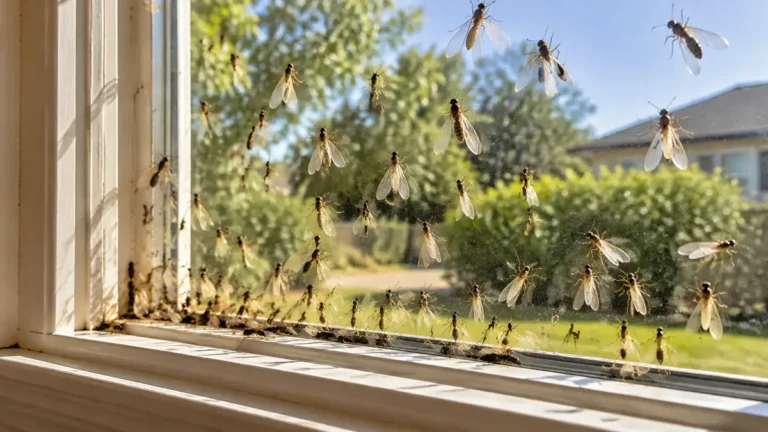
Every March and April, Georgetown windowsills fill with winged insects, and most people cannot tell flying ants from termite swarmers. The flying ants vs. termites post walks through the three features that settle it: waist, antennae and wings. If it turns out to be termites, the termite control page explains treatment choices, and the termite inspection page covers what a WDI report includes when you buy a home.
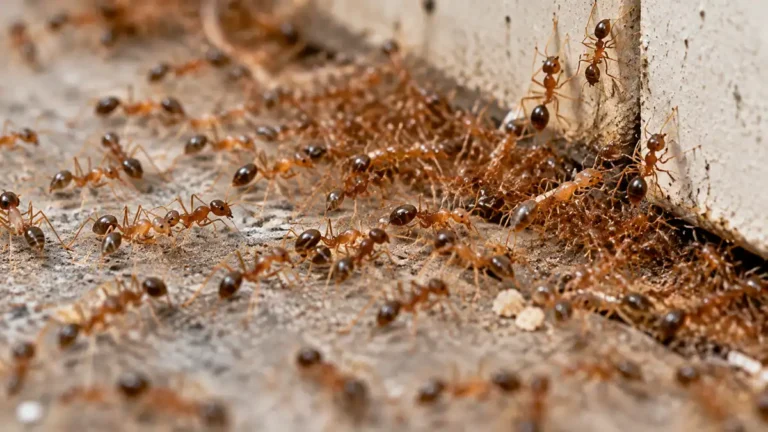
Ants change after every soaking rain. Fire ants push fresh mounds into new sod, while tawny crazy ants move in by the thousands and ignore most baits. Our fire ants vs. tawny crazy ants comparison explains why the treatment for one fails on the other. The ant exterminator page goes further into carpenter ants and kitchen ants.
Rodents in the attic and walls
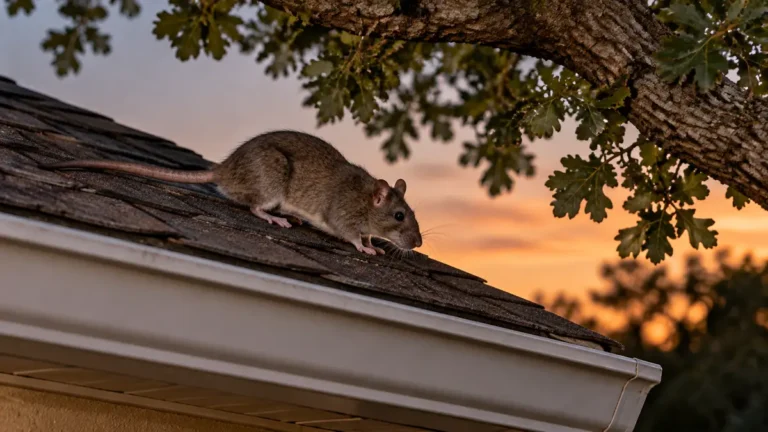
Georgetown’s live oaks and pecans are beautiful, and they are also highways onto the roof. Roof rats in the attic explains the signs, from grease marks on rafters to droppings on insulation, and why trimming limbs back six to eight feet from the roofline matters as much as any trap. The rodent exterminator page covers exclusion work and cleanup.
Mosquito season and West Nile
Williamson County traps mosquitoes every summer and reports positive West Nile samples. The West Nile and mosquitoes in Georgetown post explains what a positive trap near your neighborhood means, which mosquito species carry the virus, and how a few minutes of dumping standing water each week cuts the numbers in your yard. Yard treatment options are on the mosquito control page.
Getting ready for help, and choosing it well
Two posts deal with the practical side. How to prepare for an exterminator is a room-by-room checklist so the visit is not wasted, and how to choose an exterminator in Georgetown lists the questions to ask before you sign anything, including how to check a Texas pest control license with the Texas Department of Agriculture. If you only read two posts on this blog, make it these, because a little preparation saves a second visit.
If you just moved into one of the new subdivisions along SH 29 or north of Wolf Ranch, start with new home, new pests. Construction stirs up soil, displaces scorpions and fire ants, and leaves gaps around utility lines that pests find before you do.
How we write this blog
Every post is checked against Texas A&M AgriLife Extension, the Texas Department of State Health Services and local sources before it goes up, and reviewed again before the season it covers. We describe what independent exterminators typically do; we do not review or rank companies. You can read more on the about us page, or send a correction through the contact page.
A seasonal reading list from the blog
- January and February: rodents are settled indoors after the first cold fronts. Read the roof rat post and walk the attic with a flashlight.
- March and April: swarm season. Keep the flying ants vs. termites post handy and bag any wings you find.
- May and June: rains bring fire ant mounds and the first mosquitoes. Empty saucers, toys and clogged gutters weekly.
- July and August: scorpion and wasp peak. Check door sweeps and eaves before evening yard work.
- September to December: mice and roof rats move in as nights cool, and kissing bugs are drawn to porch lights. Seal gaps before Thanksgiving.
New posts are added to the blog when Georgetown residents keep asking the same question, and older ones are updated when local conditions change, such as a new West Nile trap result or a shift in when swarms start.
Latest posts
- West Nile Virus in Georgetown: Mosquito Season and Your Yard
 Where West Nile has turned up in Georgetown mosquito traps, who is at higher risk and the simple steps that protect your family.
- Wasp Nest on Your Georgetown Home? What to Do and What Not to Do
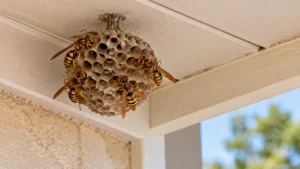 Paper wasp or yellow jacket? What to do with a nest under the eaves, what never to do and when wasp nest removal needs a professional.
- How to Choose an Exterminator in Georgetown, TX: Questions to Ask Before You Sign
 Eight questions to ask, contract terms to check and the red flags that should make you wait before signing any pest control agreement.
- New Home, New Pests: A First-Year Plan for New Construction in Georgetown
 Brand-new homes on cleared ranch land see scorpions, fire ants and mice in year one. Here is a season-by-season plan.
- Kissing Bugs in Georgetown, TX: What They Look Like and What to Do
 What kissing bugs look like, how to tell them from harmless look-alikes, the Chagas facts from Texas health officials and what to do next.
- Fire Ants vs. Tawny Crazy Ants in Georgetown: How to Tell and What Works
 Fire ants build mounds and sting; tawny crazy ants swarm in jerky waves and ignore most baits. Here is how to tell them apart.
- Rats in the Attic? Roof Rats and Georgetown’s Oak Trees
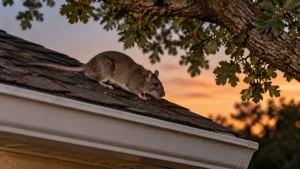 How roof rats use Georgetown’s big oaks to reach attics, the entry points to check and why trapping alone rarely ends it.
- Flying Ants or Termites? How to Tell During Georgetown’s Swarm Season
 Three quick checks tell a flying ant from a termite swarmer, and the difference matters a lot for your house.
- How to Prepare Your Home for an Exterminator: A Georgetown Checklist
 What to clear, store and avoid before and after a pest treatment, with prep steps for the pests Georgetown homes see most.
- Scorpions in Georgetown, TX: Why They Get Inside and How to Keep Them Out
 Why striped bark scorpions end up in Georgetown bathtubs and bedrooms, and the sealing steps that keep them outside.