
How to Prepare Your Home for an Exterminator: A Georgetown Checklist
Key takeaways
- Knowing how to prepare for an exterminator makes the visit faster and the treatment more effective.
- Prep depends on the pest: kitchens for roaches, garages and closets for spiders and scorpions, the slab edge for termites, attic access for rodents.
- After the visit, follow the drying and re-entry times you are given, and leave baits and dusts alone.
A pest treatment works far better when the technician can reach every place the pest hides. That is the whole point of knowing how to prepare for exterminator visits. You do not need to deep-clean the house, but a little moving and storing the day before saves time, avoids exposure for kids and pets, and keeps the products where they belong. Here is how to prepare for an exterminator, step by step, with notes for the pests Georgetown homes deal with most.
How to prepare for exterminator visits: the general list
These steps apply to almost any indoor treatment:
- Pull furniture, boxes and stored items about 18 inches away from baseboards in the rooms being treated
- Store food, dishes, utensils and small appliances in closed cabinets or away from counters
- Pick up pet bowls, pet beds and children’s toys from floors in treated areas
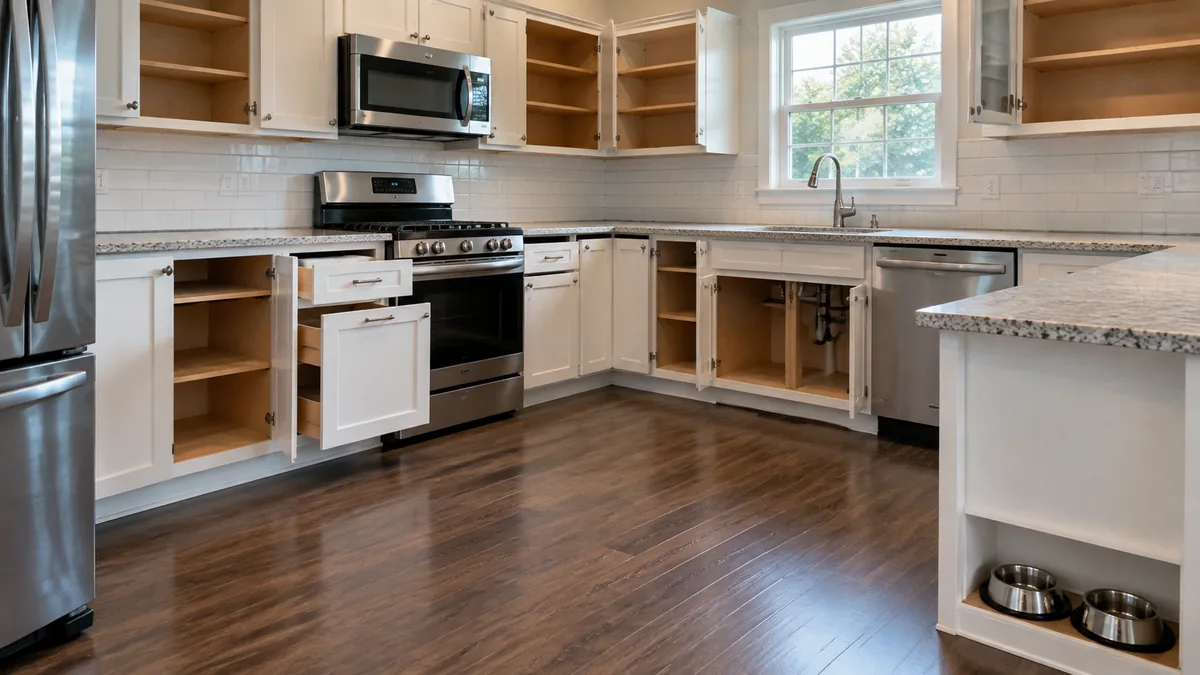
- Clear the area under sinks if kitchens or bathrooms are included
- Unlock gates and side yards, and make the attic hatch and garage accessible
- Note or photograph where you have seen the pest, and when
- Do not spray store-bought products in the days before the visit. They can repel pests from professional baits and make activity harder to read
Should you clean before an exterminator comes?
Tidy, yes. Scrub, no. Vacuuming floors and clearing clutter helps the technician see and reach problem areas. But do not wipe away droppings, mud tubes or webs in the spots where you have seen activity, because those clues help with the inspection. And avoid harsh cleaners on baseboards right before treatment.
Prep by pest type
Scorpions and spiders
Scorpions and spiders hide in clutter, especially in garages, closets and storage rooms. Before the visit:
- Move boxes off the garage floor and away from walls; switch to sealed bins if you can
- Pick up clothes, shoes and towels from closet and bedroom floors
- Clear stored items away from the garage door and the attic hatch
- Pull rock borders, woodpiles and debris away from the foundation if you can
Cockroaches
Kitchens and bathrooms get the most attention:
- Empty the cabinets under the kitchen and bathroom sinks
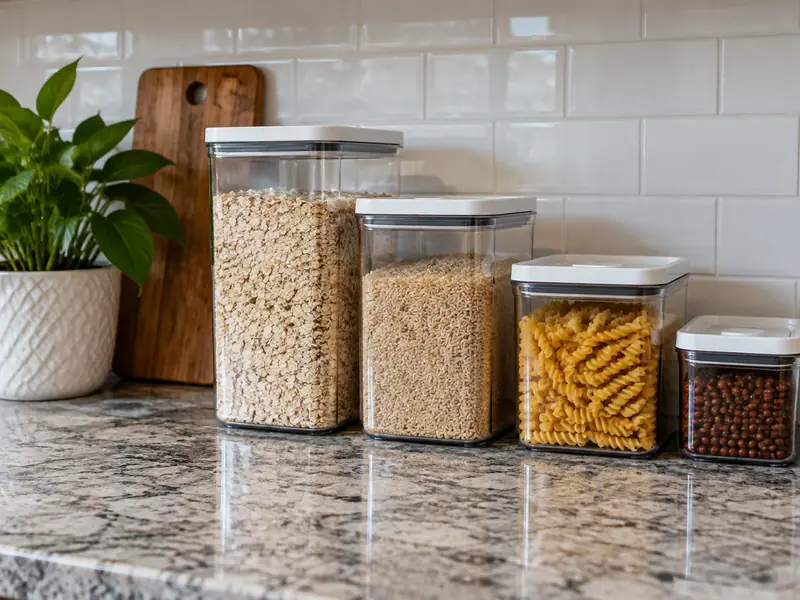
- Clear countertops and store food in sealed containers
- If you can, pull the fridge and stove out a little so the technician can reach behind them
- Take out the trash and recyclables, and do not leave dishes in the sink
Termites
Termite work happens mostly outside and at the foundation:
- Clear plants, stored items and anything stacked against the exterior walls
- Pull mulch back so the edge of the slab is visible
- Make the garage walls and any crawl space access easy to reach
- Have your builder’s pre-treatment paperwork or past treatment records ready
Rodents
Rodent work centers on the attic, garage and kitchen:
- Clear a path to the attic hatch and to any areas with droppings
- Note where you hear noises and at what time
- Store pet food and birdseed in sealed containers
- Move items away from garage walls
Bed bugs
Bed bug prep is the most involved. Your provider will usually give you a specific list, often including laundering bedding and clothes on high heat, sealing clean items in bags and reducing clutter around beds. Follow it closely, especially for heat treatments. What heat and chemical treatments involve is explained in detail on our bed bug treatment page.
Kids and pets
- Tell the technician about children, pets, pregnancy, allergies or breathing conditions before treatment begins
- Keep children and pets away from areas being treated, and out of them until surfaces are dry or for the time you are given
- Cover or move fish tanks and turn off their air pumps if a room with an aquarium is being treated
- Put birds and small caged pets in another room
- Ask what product is being used and where, and keep the paperwork
General precautions are not a promise of safety for every situation. The technician should explain the directions for the specific product used. If you have questions about a health condition, ask your doctor or vet.
Do you have to leave the house?
For most routine treatments, no. You may need to stay out of treated rooms for a few hours or until surfaces dry. Whole-house treatments, including bed bug heat treatments and fumigation, are different, and you will be told how long to stay away.
During the visit
- Walk the inspector to every spot where you have seen the pest
- Ask what they found and how they know
- Ask which products are being used, where, and how long to keep people and pets off treated areas
- Ask what you should fix: door sweeps, gaps, moisture, branches on the roof
- Ask when to expect results and whether a follow-up is included
Do exterminators spray inside the house and in closets?
It depends on the pest. Modern indoor work is mostly targeted: gel baits in cracks for roaches, crack-and-crevice treatments along baseboards, dusts in wall voids and treatment of specific closets or rooms where spiders, roaches or bed bugs are found. Whole-room spraying is less common than many people expect.
After the visit: what not to do
- Follow the re-entry and drying time you were given before letting kids and pets back into treated areas
- Do not mop or wipe treated baseboards for the period the technician advises
- Leave gel bait, bait stations and dust where they were placed
- Do not spray store-bought products over treated areas or baits
- Keep food sealed so baits are the most attractive food source
- Expect some activity at first; many products take days or weeks, and some flush pests out before killing them
- Note anything that keeps going after two or three weeks and report it
Do you wipe down cabinets after pest control?
Wipe food-contact surfaces like counters and dining tables before using them, if they were near treated areas. Leave cracks, cabinet hinges and the edges where bait was placed alone. If you are unsure, ask the technician which surfaces are fine to clean.
Printable checklist
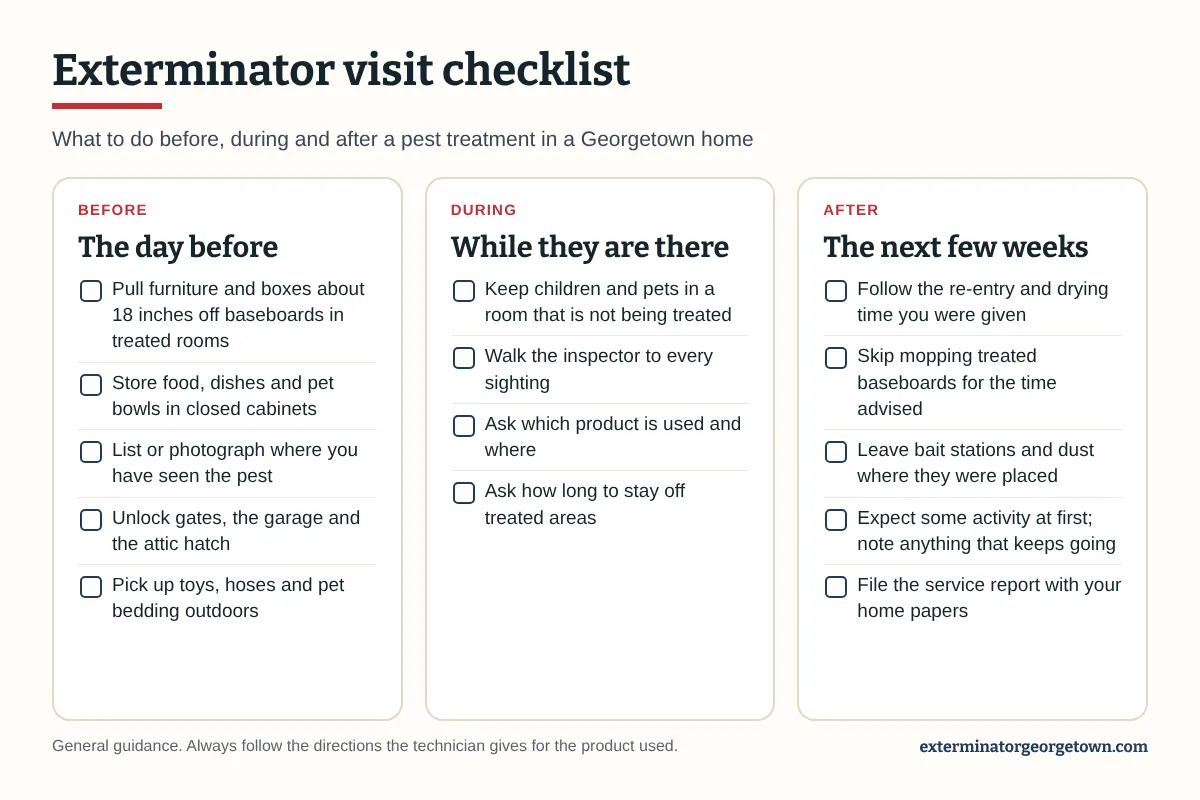
Save or print the image near the top of this post. It covers the main steps before, during and after a visit. For choosing who to hire in the first place, read how to choose an exterminator in Georgetown.
Questions about preparing for pest control
How long before the exterminator comes should I start preparing?
A day ahead is enough for most treatments. Bed bug and whole-house treatments take more time, so start as soon as you have the provider’s prep list.
Do I need to empty all my kitchen cabinets for roach treatment?
Usually just the cabinets under sinks and any where you have seen roaches. Ask your provider; some want upper cabinets cleared too in heavy infestations.
Is it normal to see more bugs after pest control?
Yes, for a short time. Some treatments flush pests out of hiding before they die. If activity is still high after two or three weeks, ask for a follow-up.
Keep reading
- Cockroach exterminator in Georgetown
- Scorpion exterminator in Georgetown
- Termite control in Georgetown
Sources: U.S. EPA, pesticide safety and label directions · Texas A&M AgriLife Extension